Sage Cortez in the H+F studio.
Handcrafted kitchenwares + implements of the home.

Sage Cortez in the H+F studio.
Handcrafted kitchenwares + implements of the home.
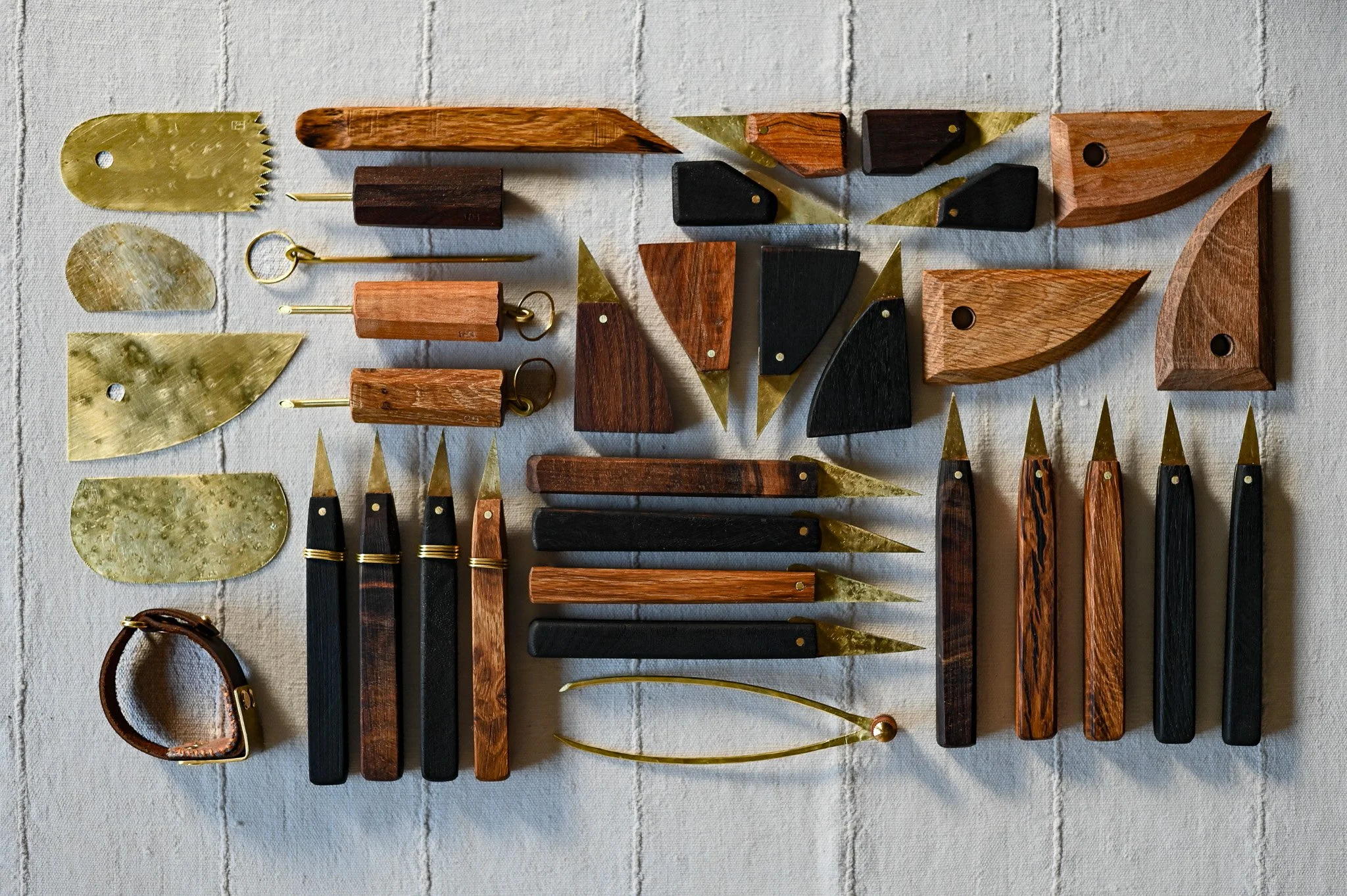
Thin, yet sturdy, these ribs are flexible enough to smooth slabs or shape pots. The hammering done to the surface is not only aesthetically pleasing, it hardens the brass to withstand gentle bending as it’s used. The texture will also allow a uniquely patterned patina to develop over time — which we think makes the tool even more special.
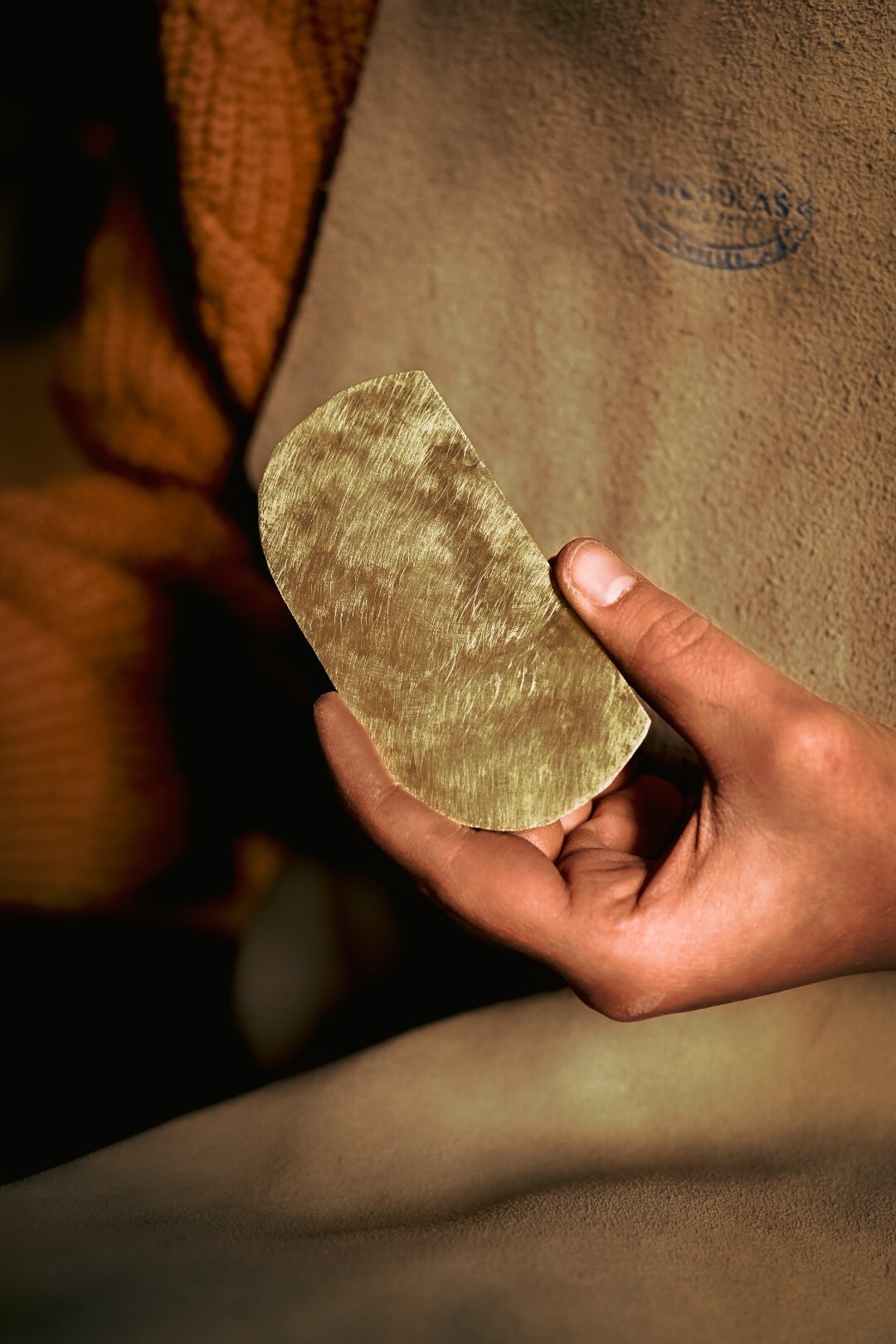
Shown freshly made, with hammered and brushed finish.
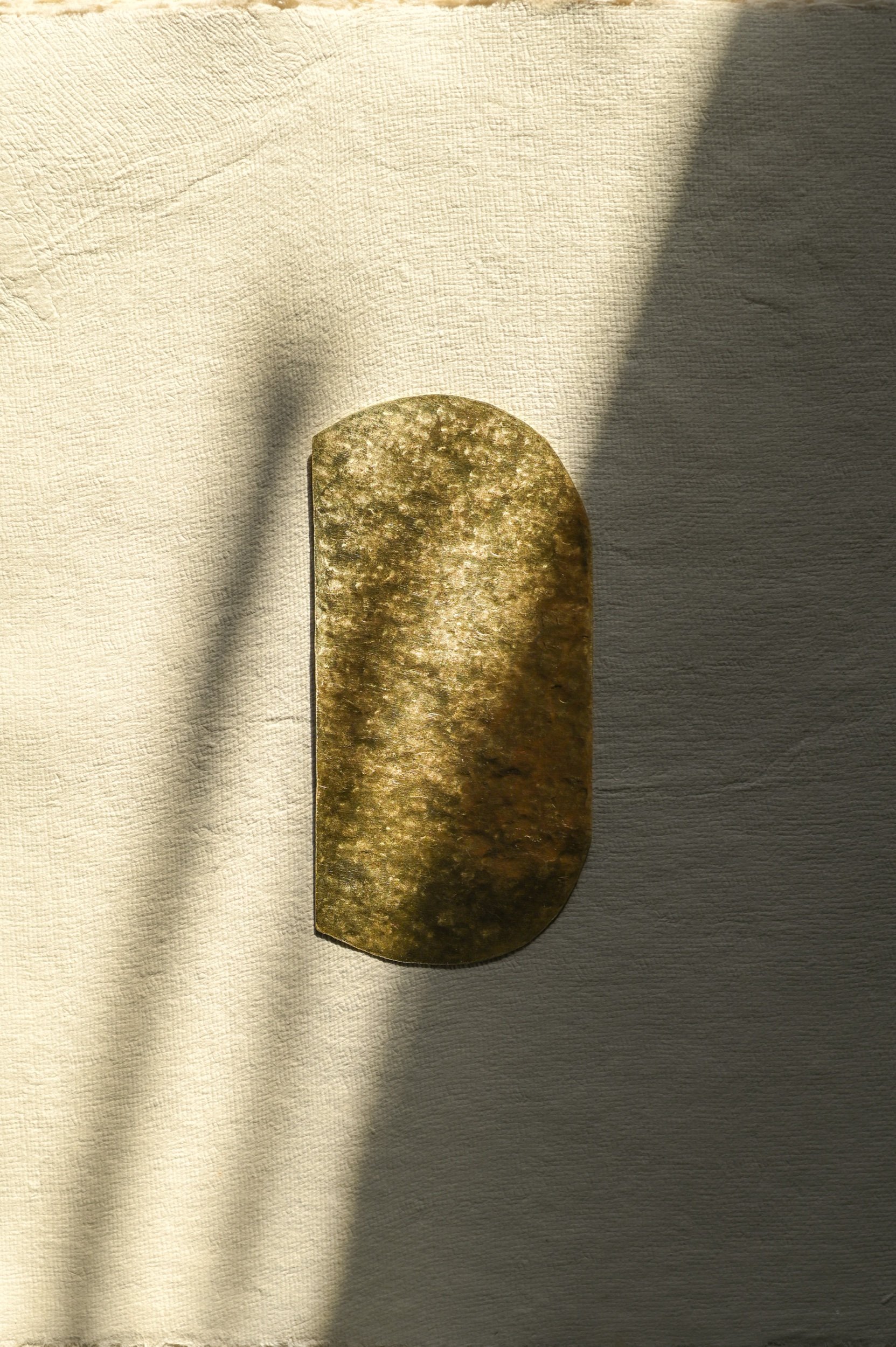
$36, 4” long x 2” wide
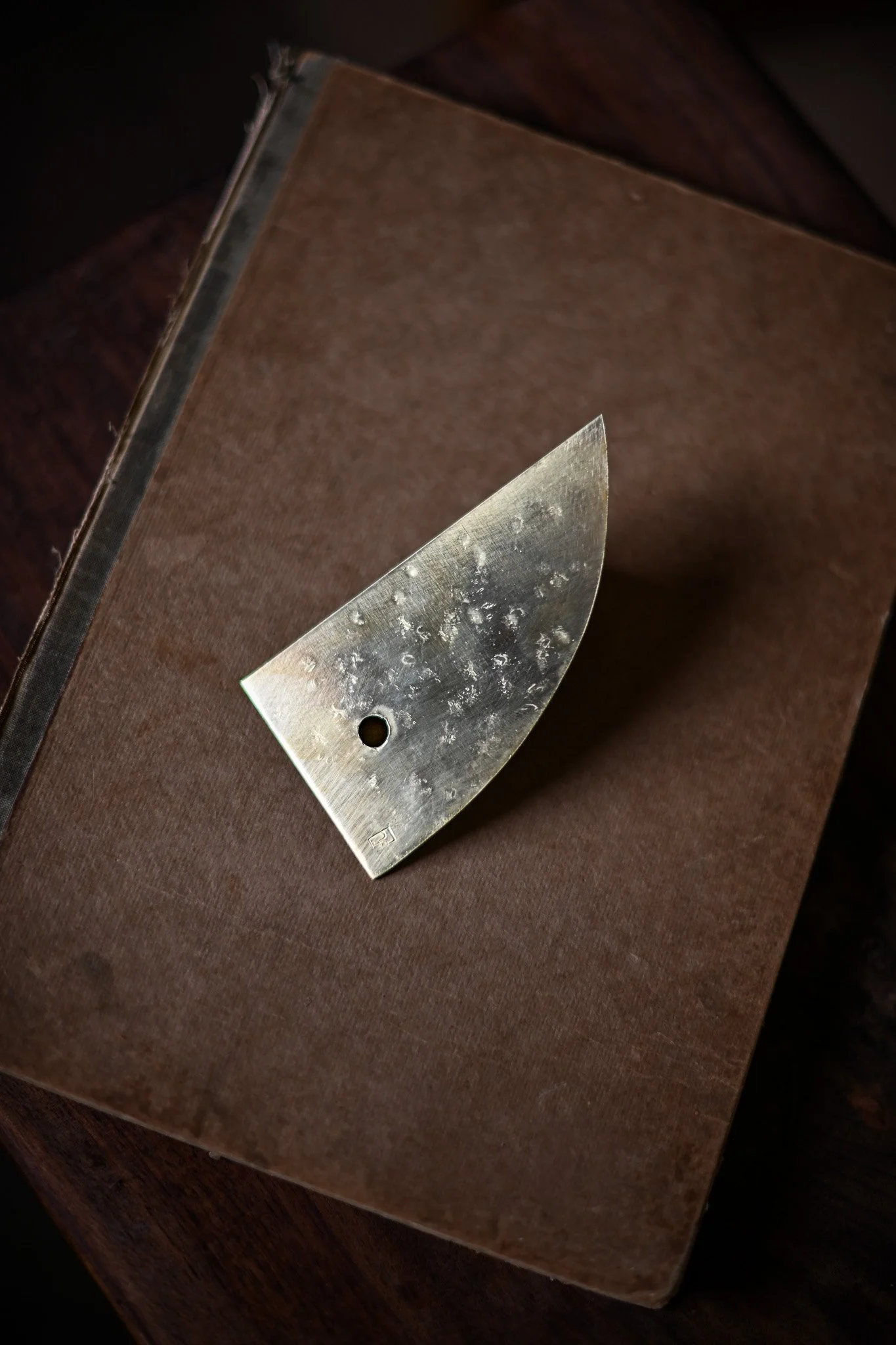
$42, 4” long x 2” wide
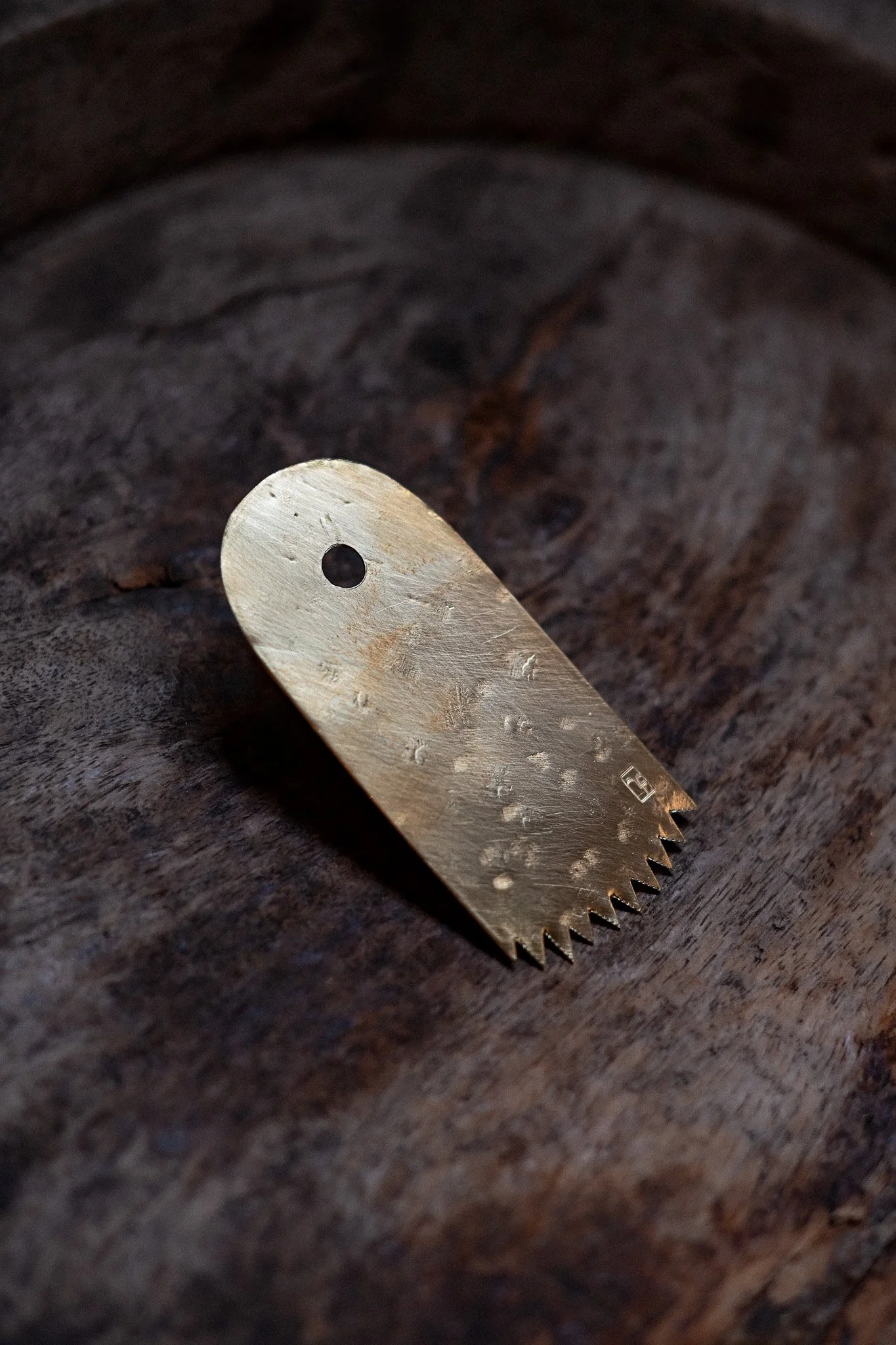
$52, 4” long x 1 3/4” wide
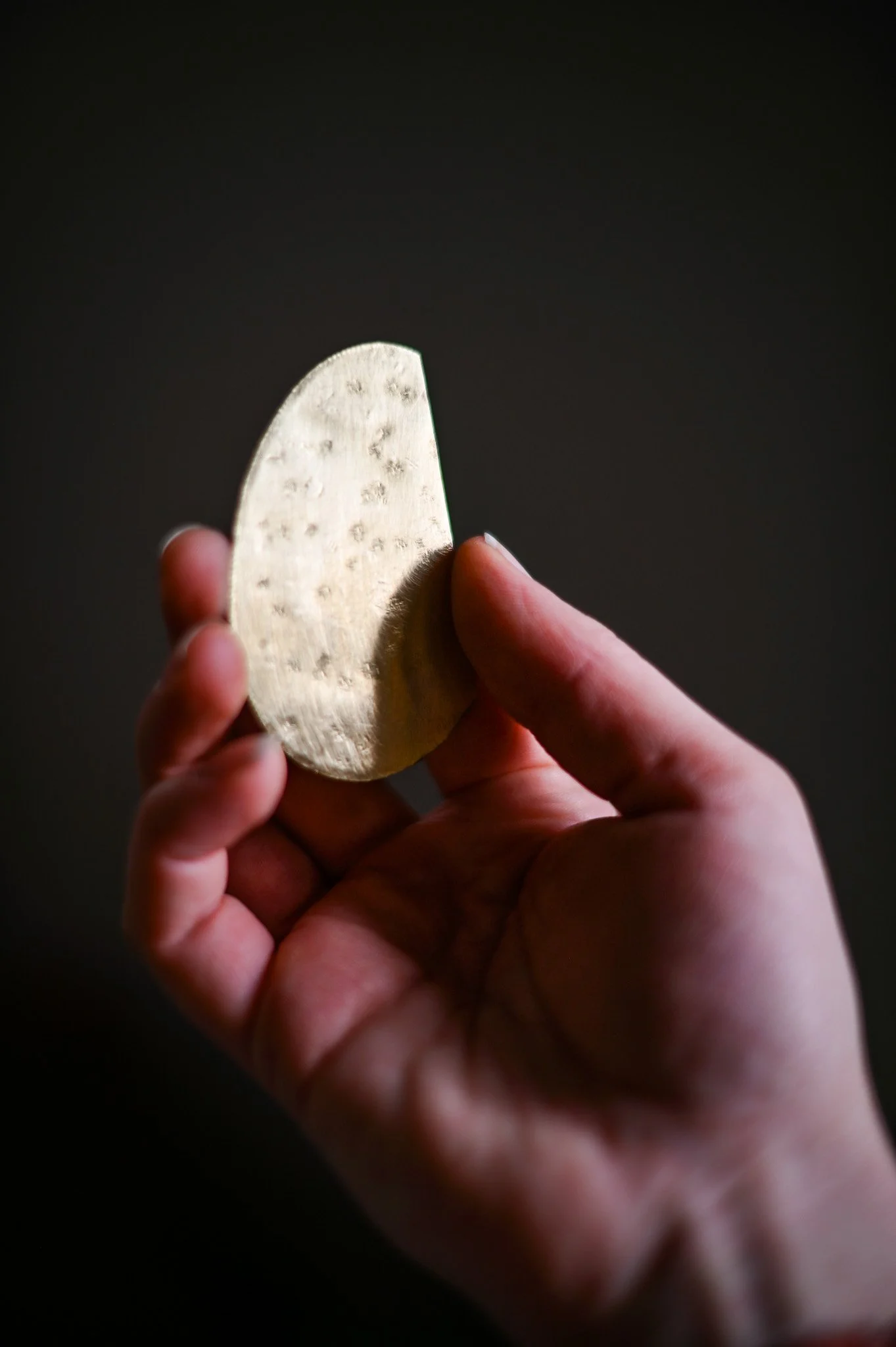
$28, 2 3/4” long x 1 3/4” wide
For throwing, smoothing, + shaping pots.
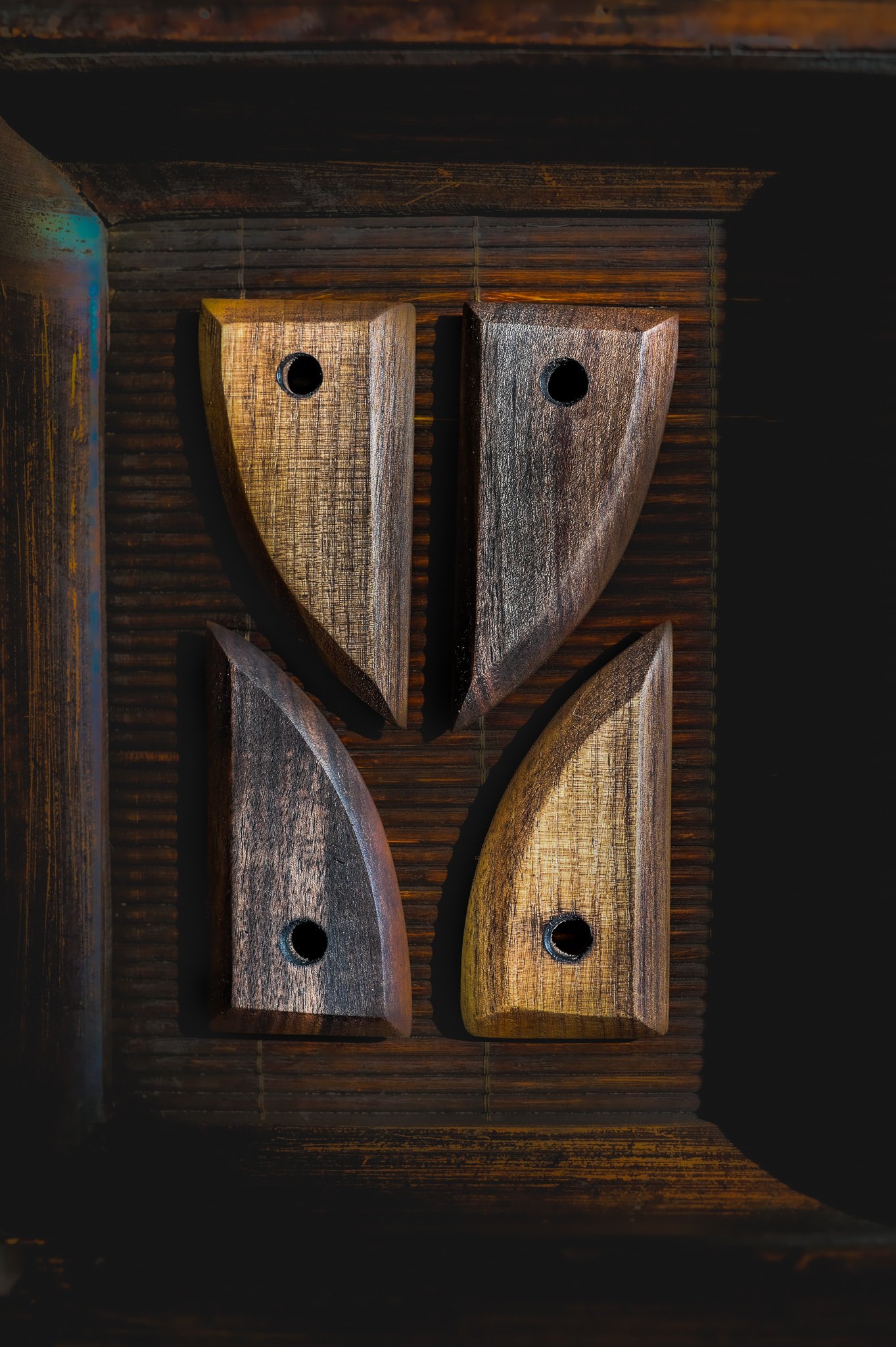
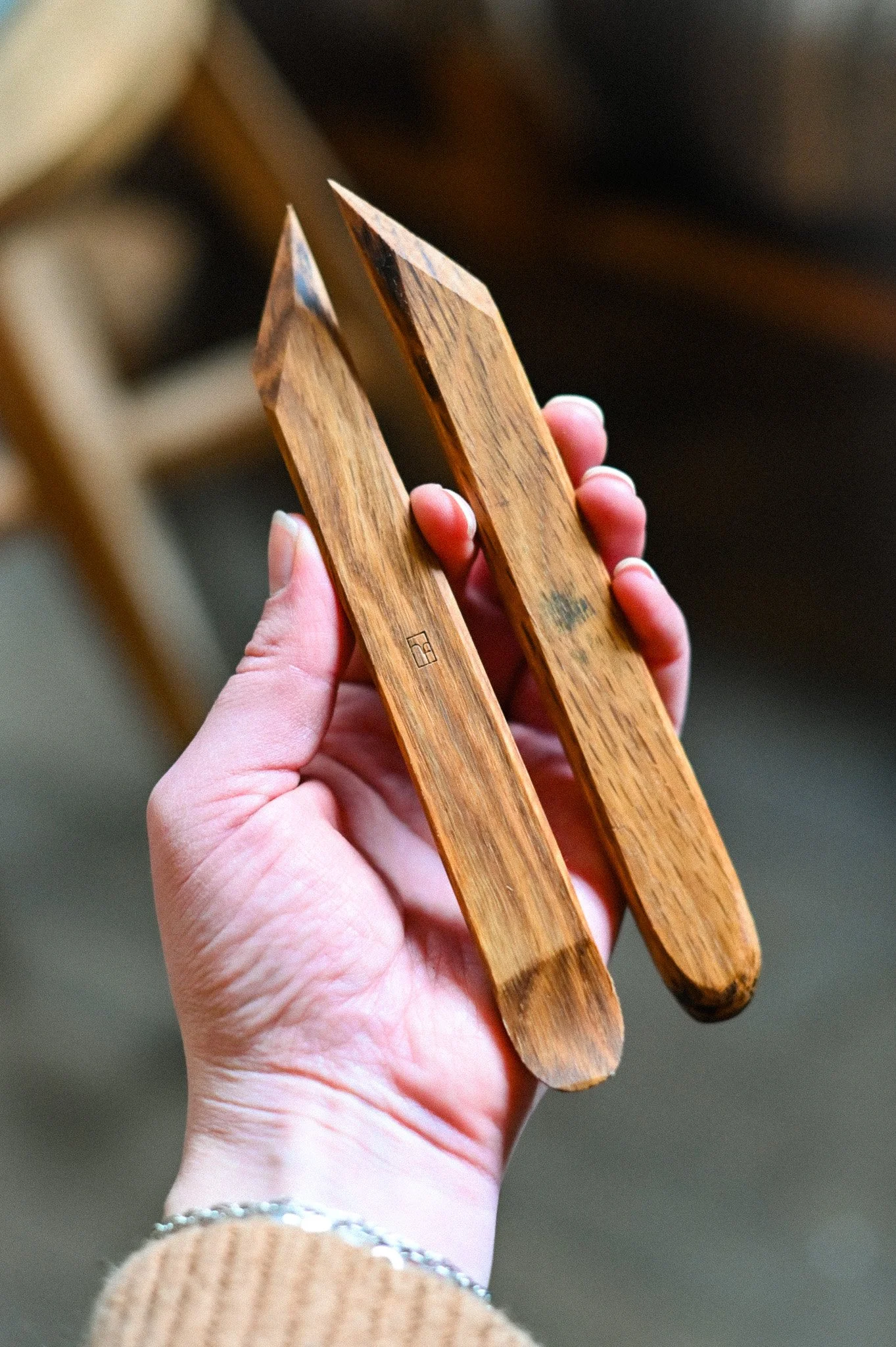
Raw Black Walnut ribs, showing variations in color + grain.
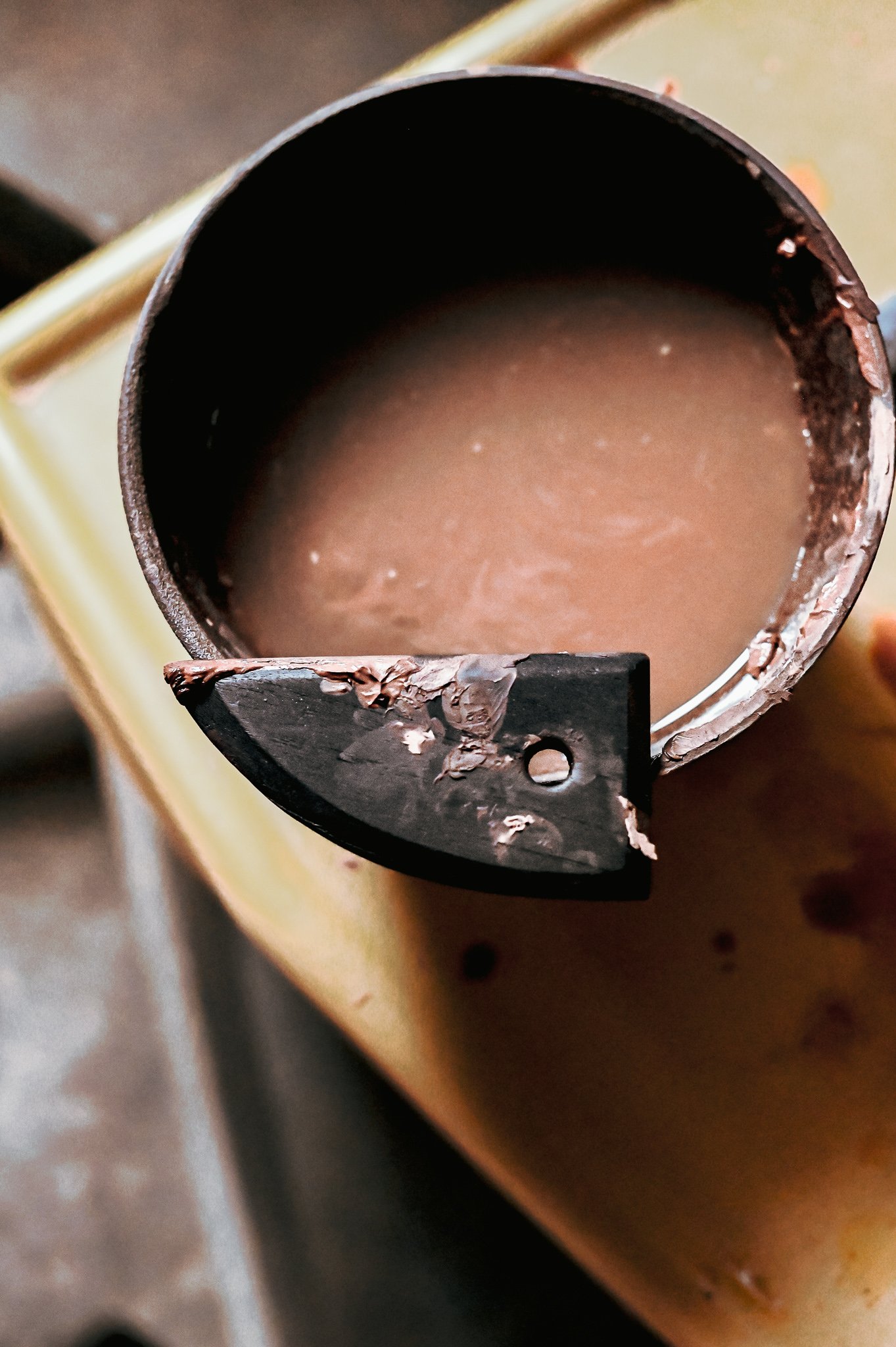
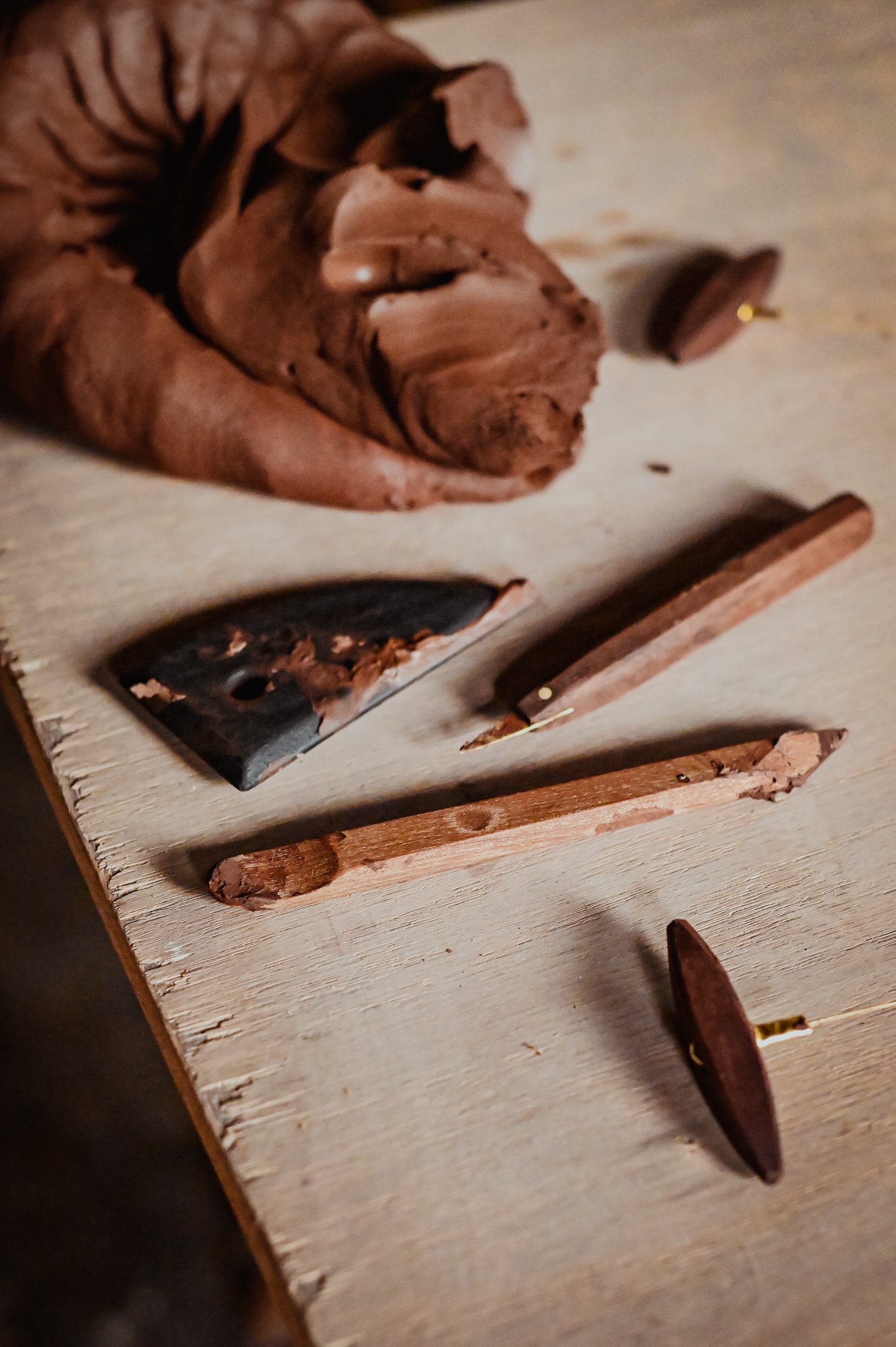
Torched rib in use.
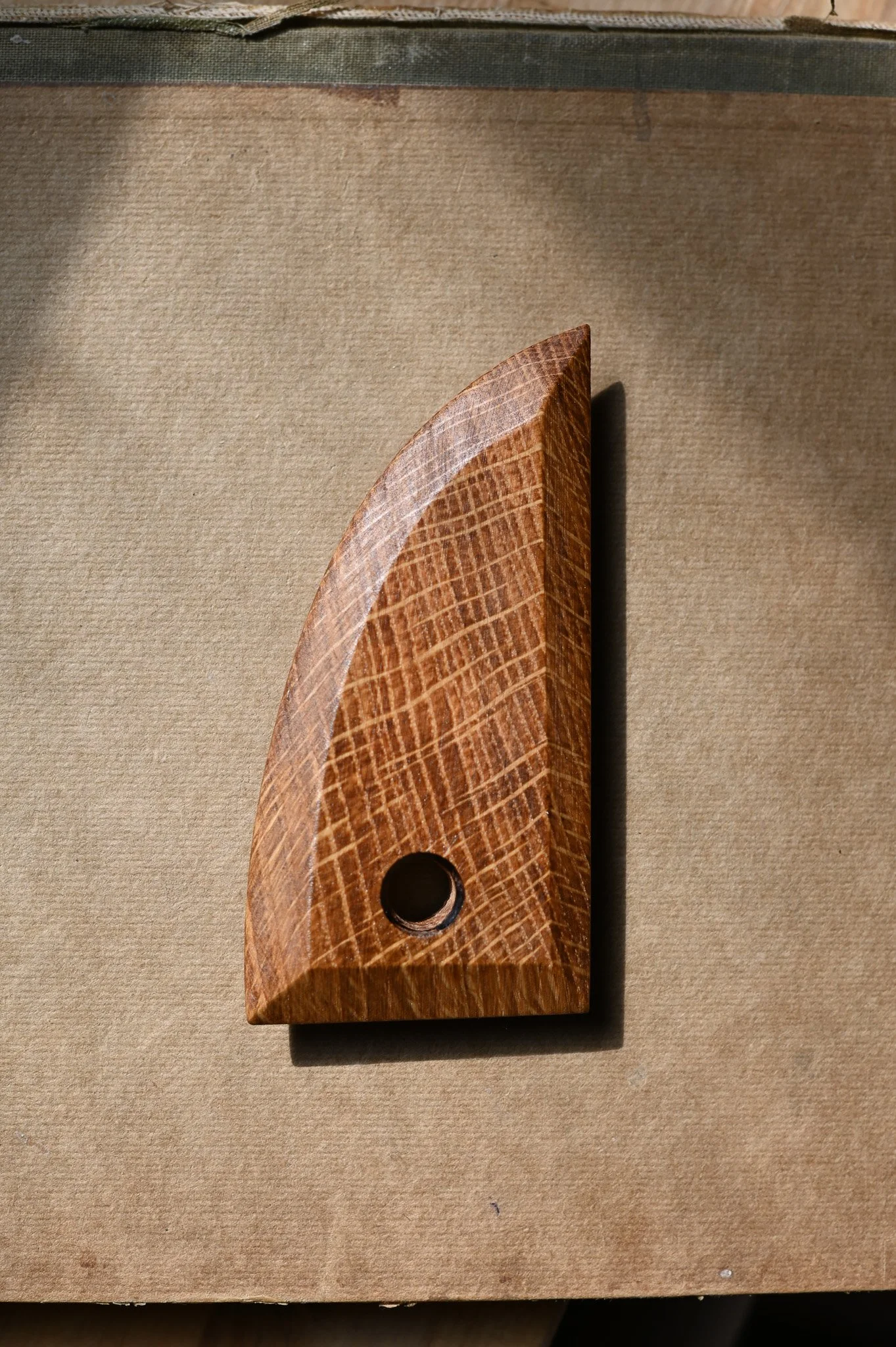
$30, 4” long x 2” wide x approximately 1/2” thick
For sculpting, scraping, shaping, altering, + rough-cutting.
$29, 7” long x 3/4” wide x 1/4” thick
$35, 7” long x 3/4” wide x 1/4” thick
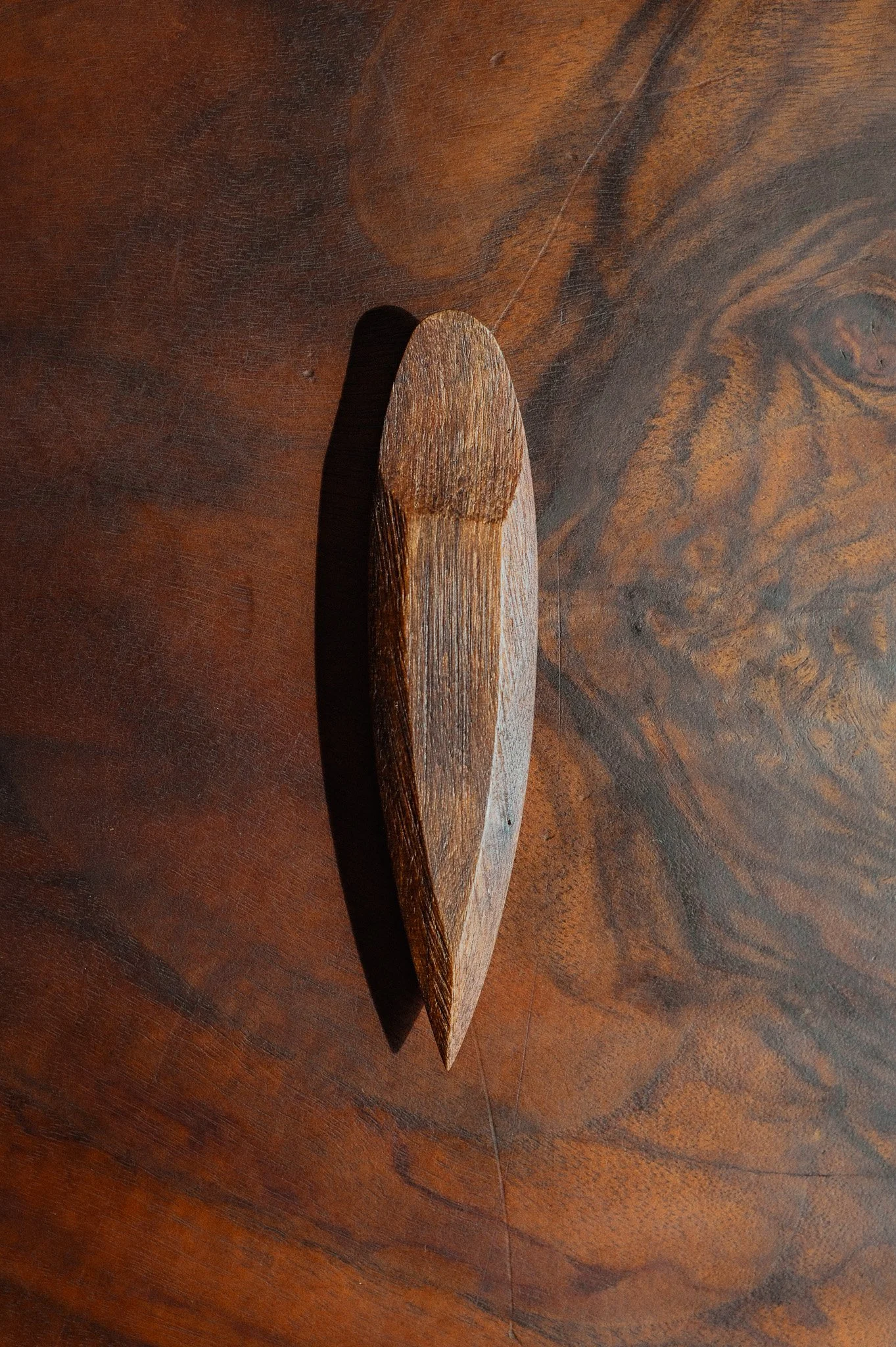
$29, 5” long x 1” wide
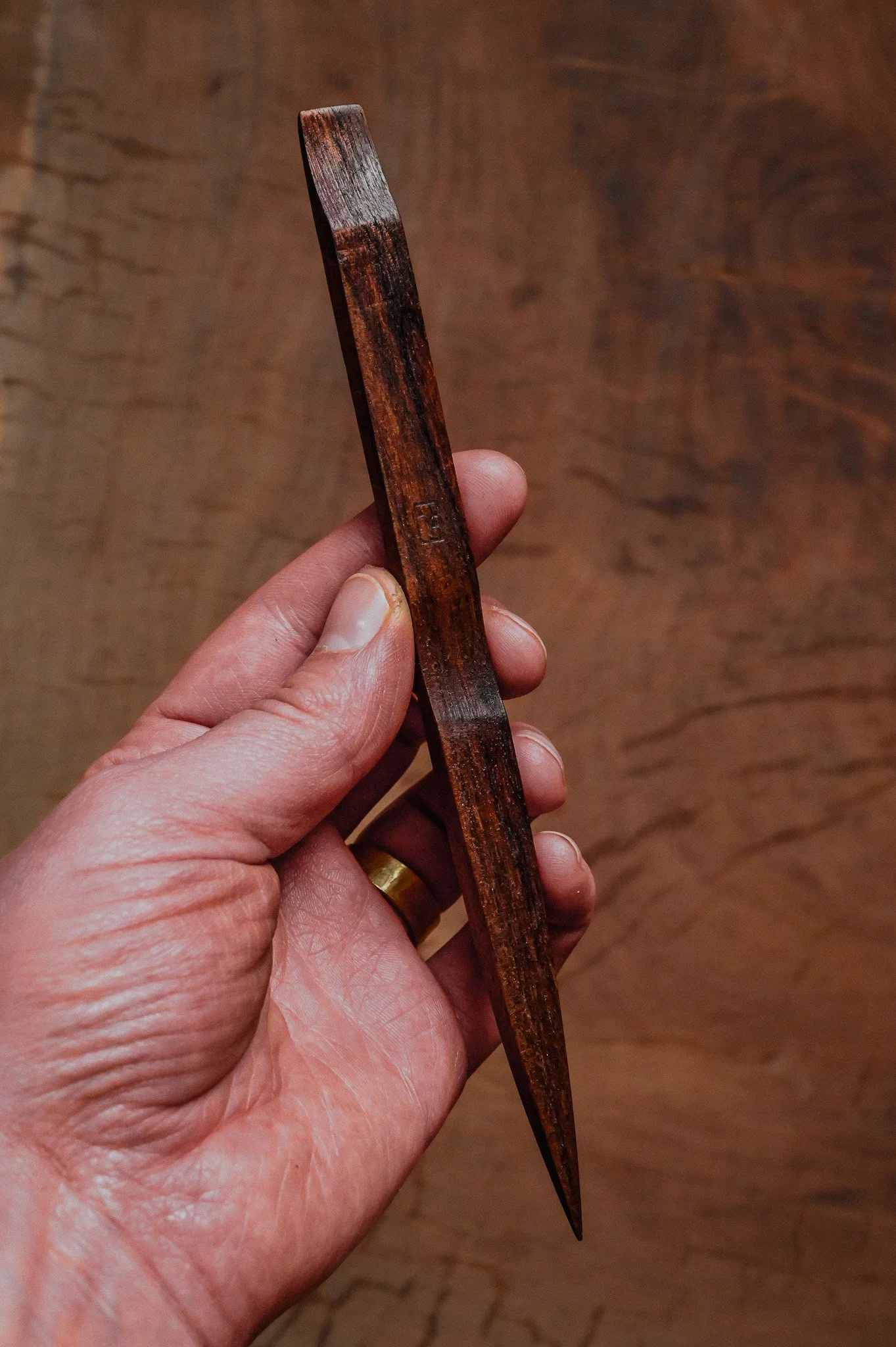
$21, 7 1/4” long x 1/2” wide
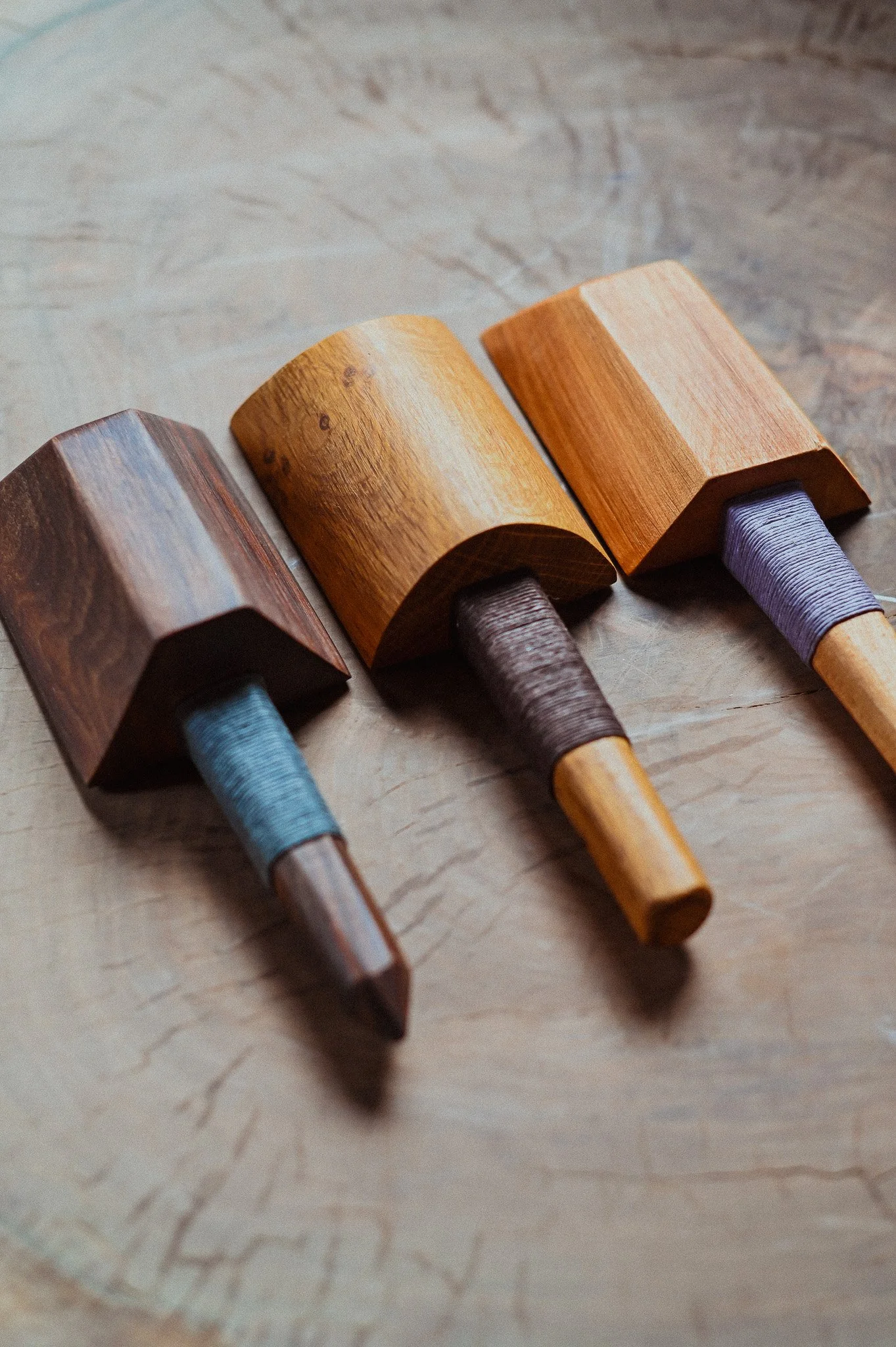
Heavy-Duty, Rounded, Original
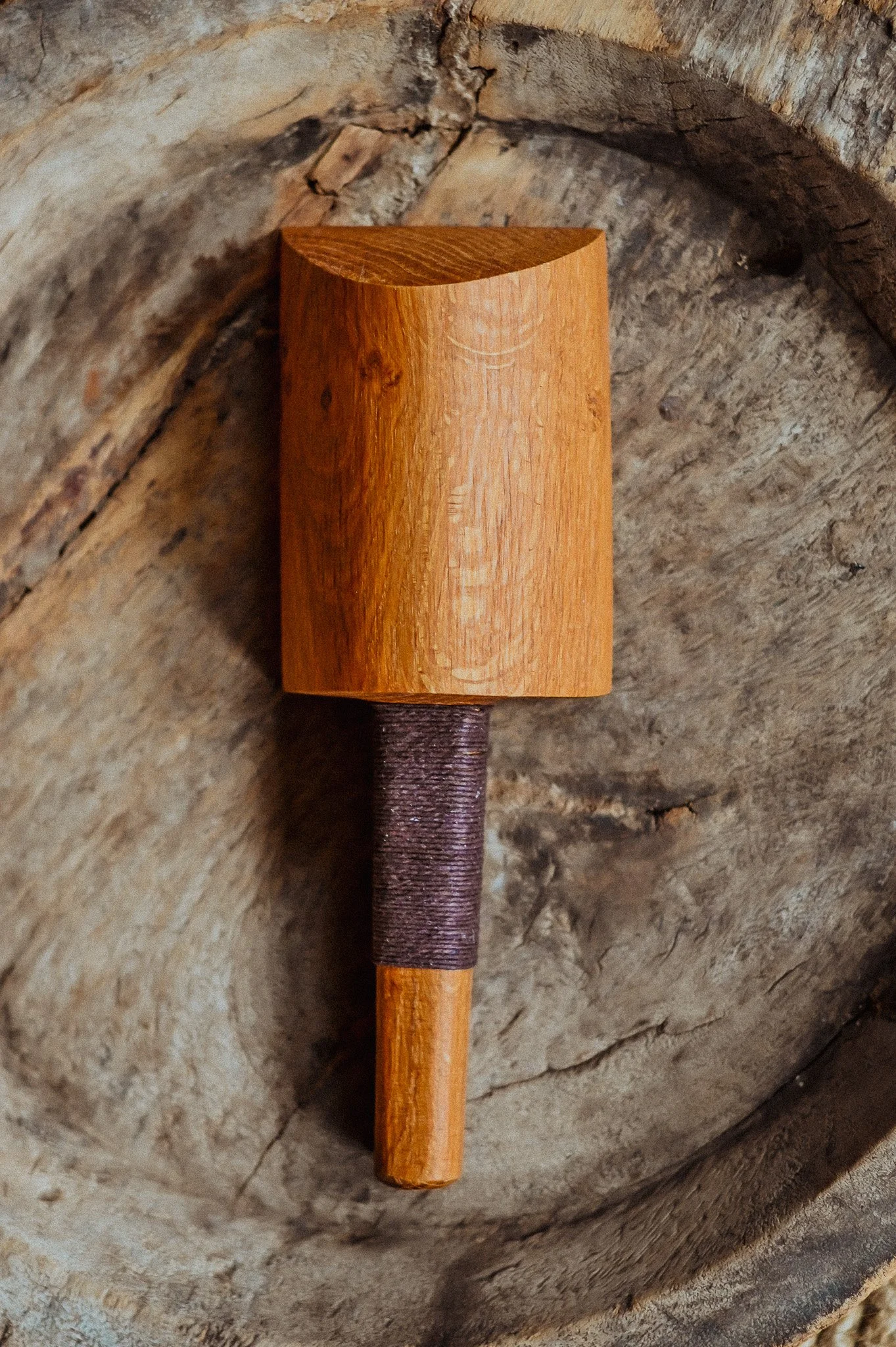
$135, Paddle: 5 1/2” long x 3 1/4” wide x 1 3/4” thick, Handle: 5” long x 3/4” wide x 1” thick
$130, Paddle: 5 1/4” long x 3 1/2” wide x 2 1/4” thick, Handle: 5” long x 3/4” wide x 1” thick
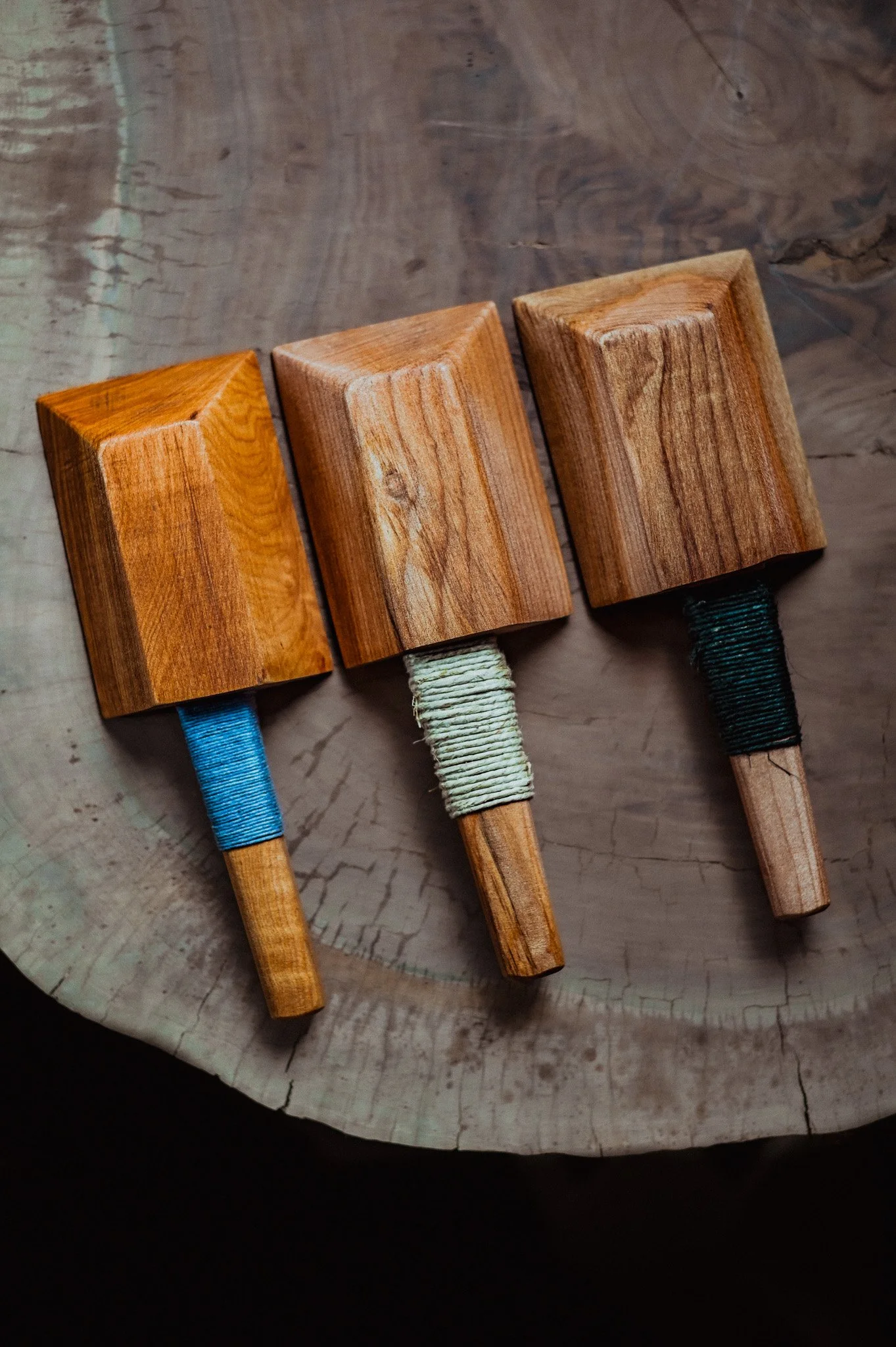
$100, Paddle: 5 1/2” long x 3 3/4” wide x 1 1/2” thick, Handle: 5” long x 3/4” wide x 1” thick
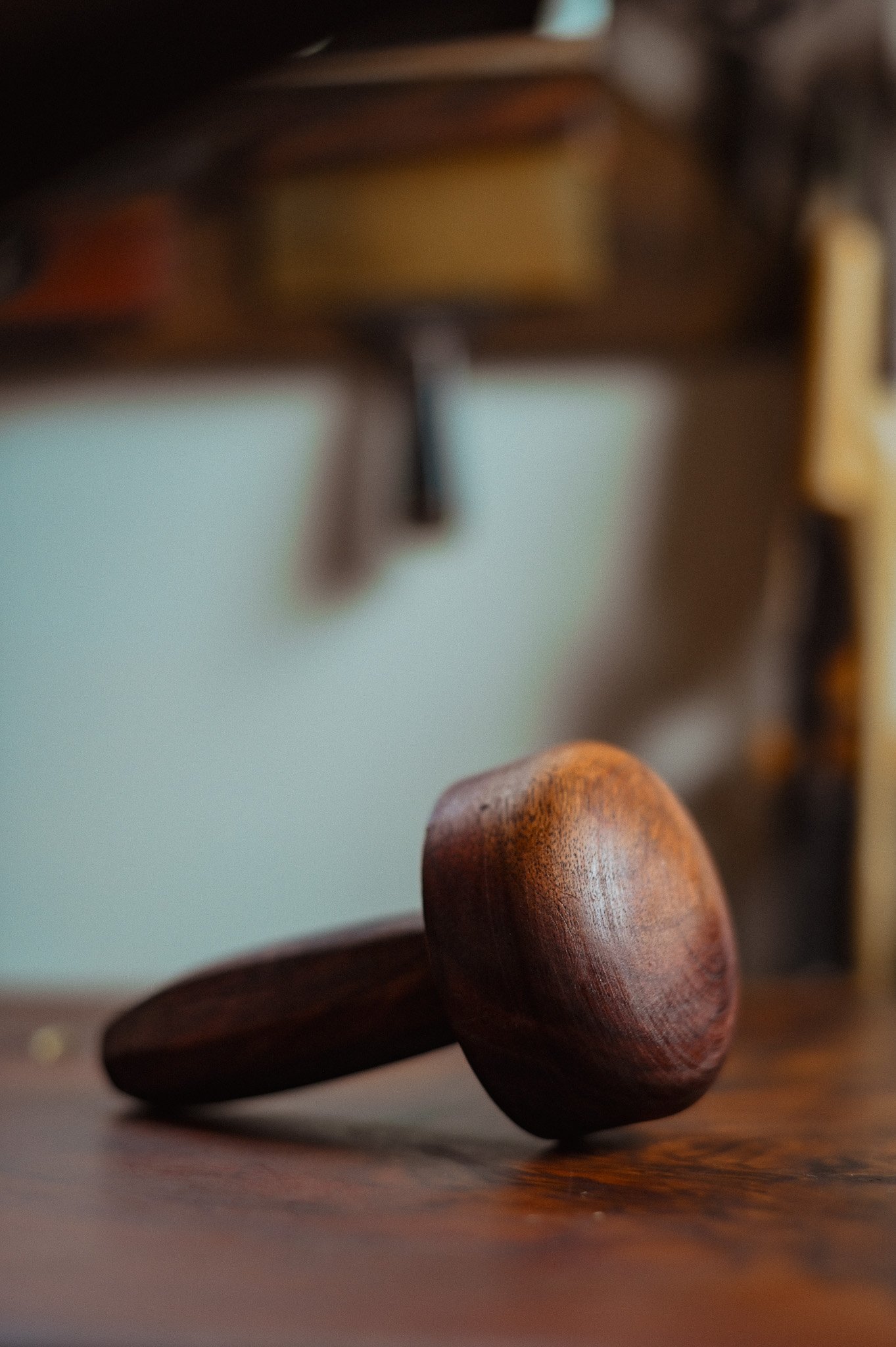
$120, Anvil Top: long x 3 1/2” in diameter x 1 1/2” thick, Handle: 4 1/4” long x 1 1/2” wide
For cutting slabs, opening boxes of clay, removing wobbly rims from pots, etc.
These knives have hand-hammered brass blades which increases their hardness + durability.
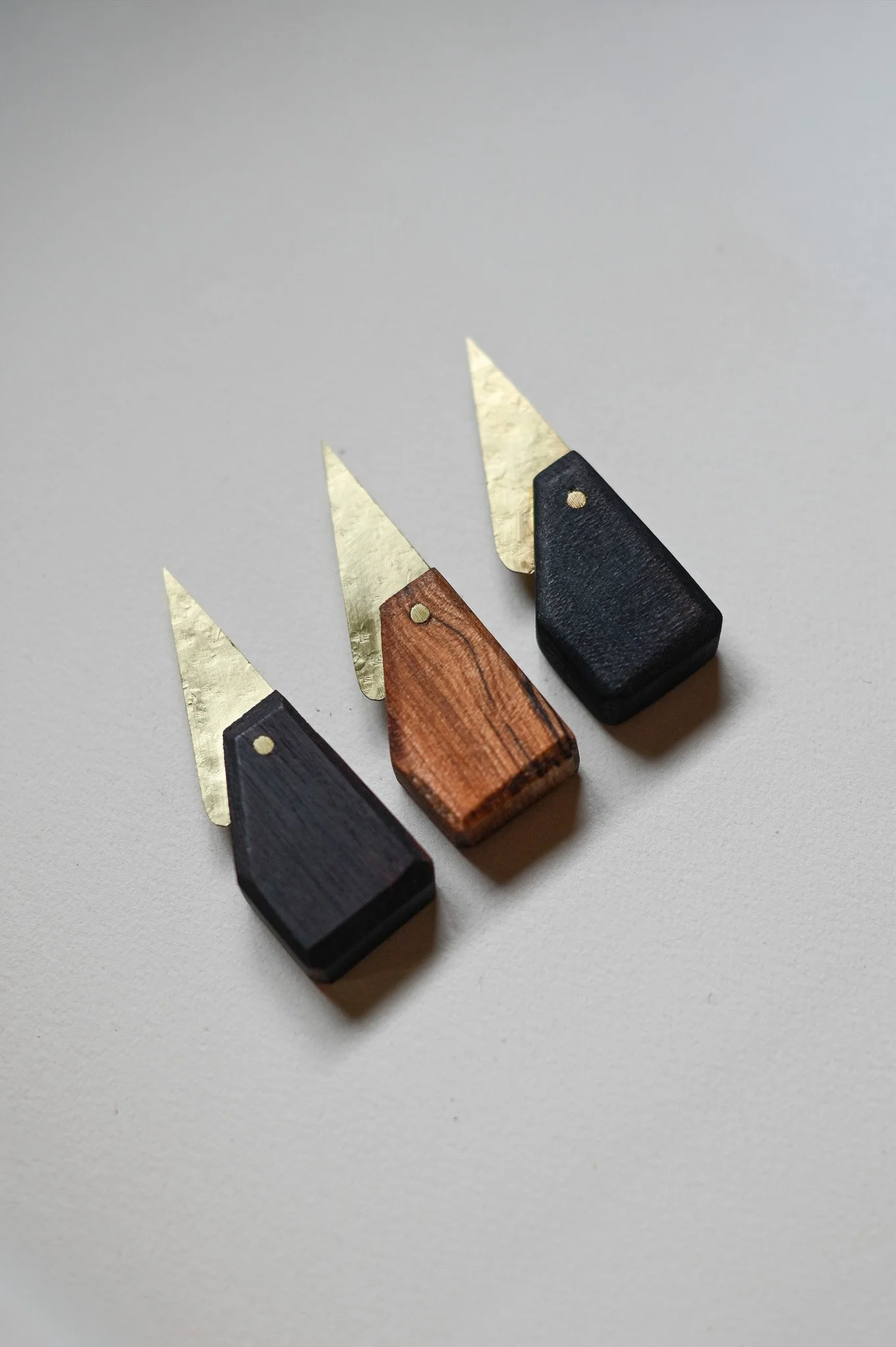
$74
For slab work, rim cutting, and opening boxes of clay. A general-use cutting tool. The smallest of the bird knives.
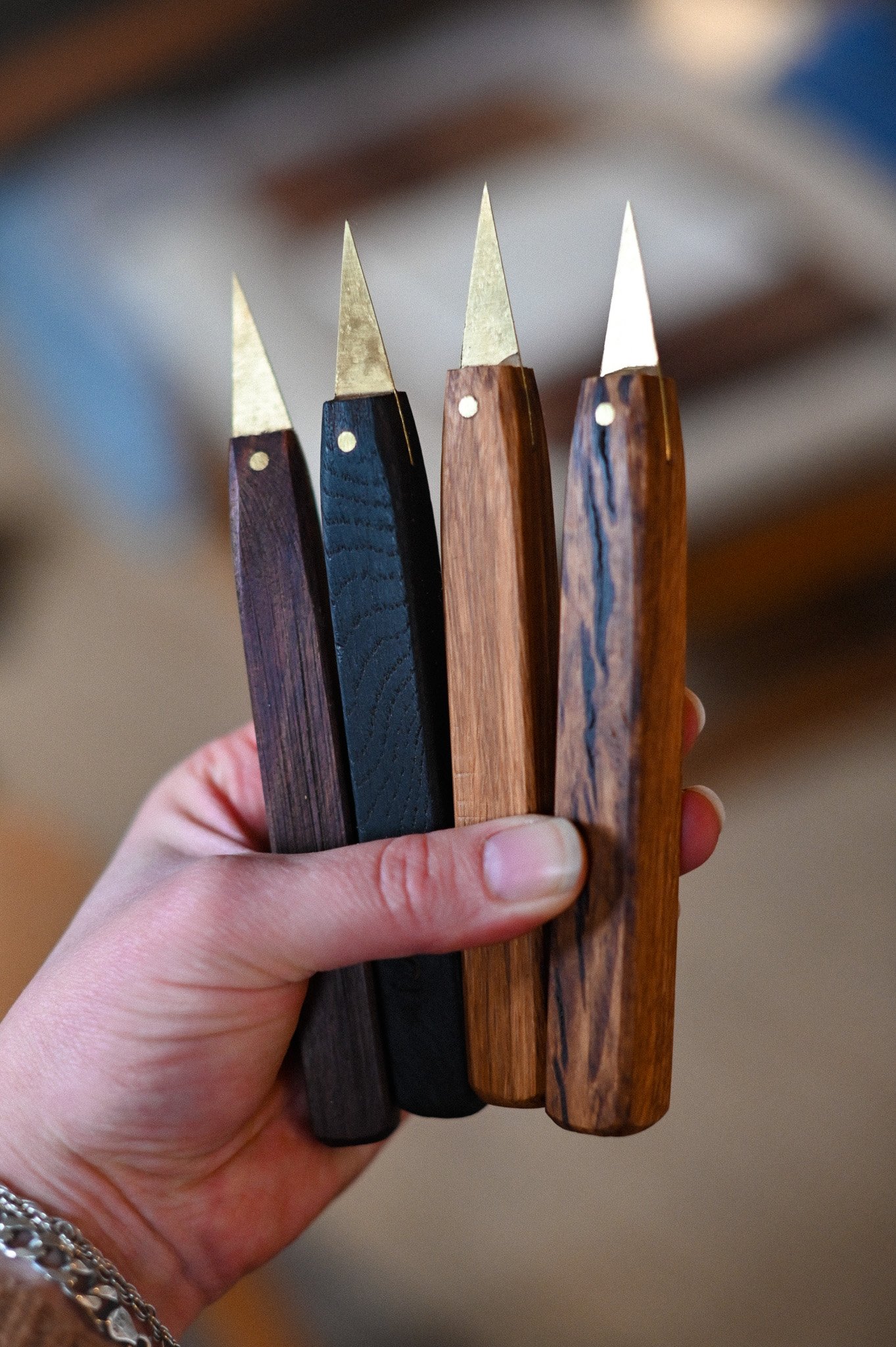
$75, 5 3/4” from tip of blade to base x 1/2” wide
For rim cutting + smaller slab work. This tool will allow the best control for fine cutting.
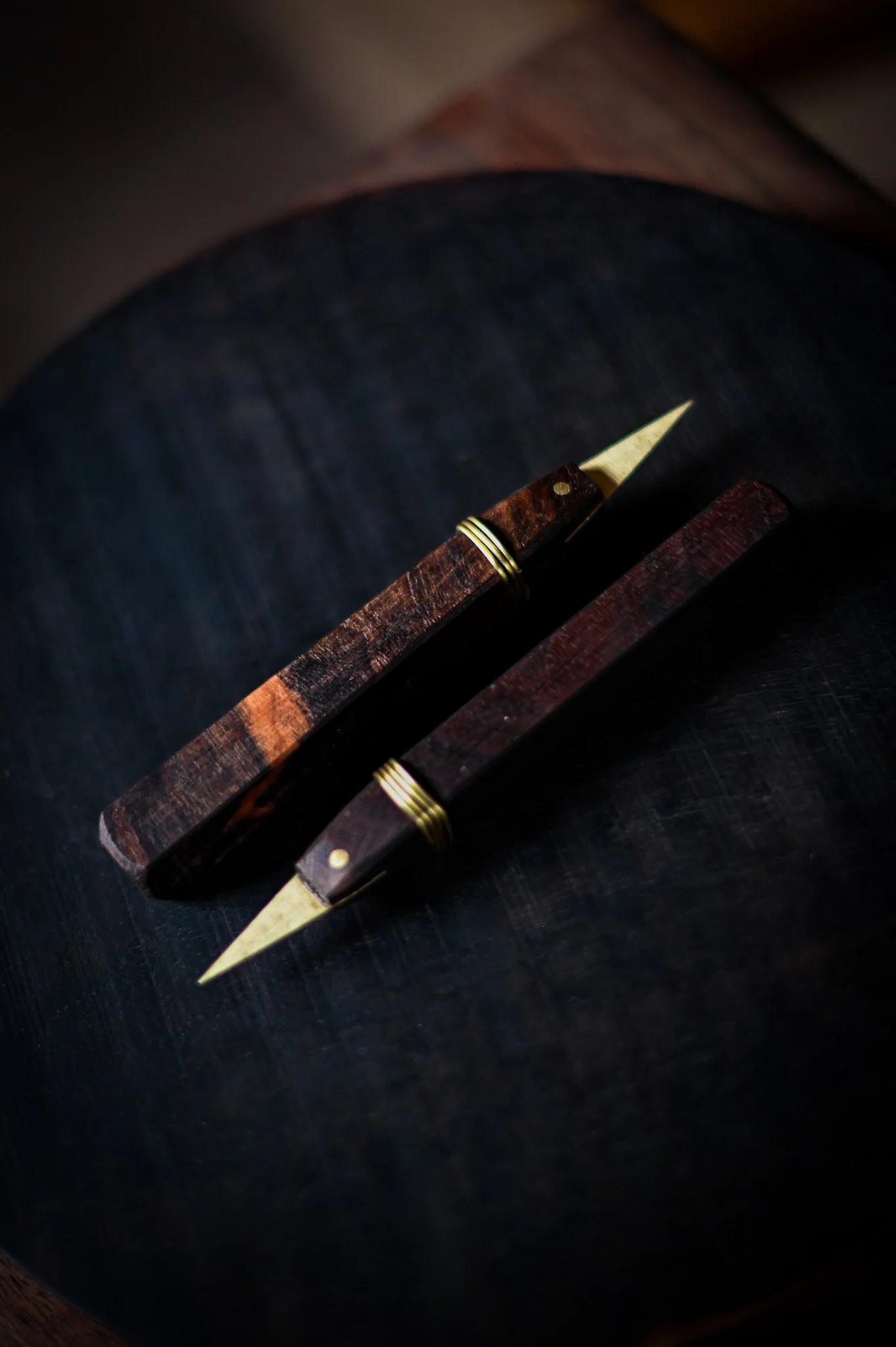
$86, 6 1/4” from tip of blade to base x 3/4” wide x 1/2” thick
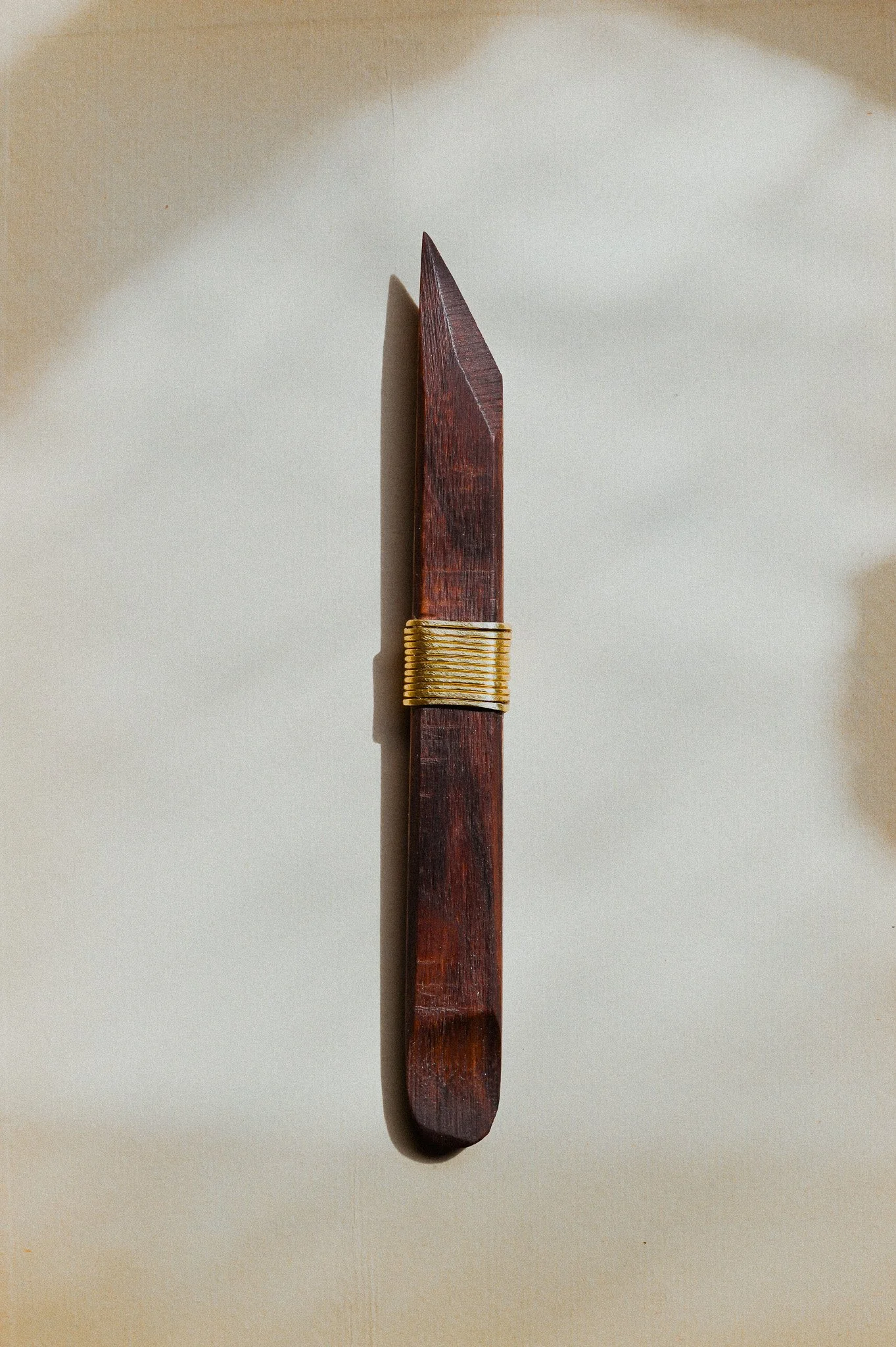
An adaptation of the Hawk Knife. These are made a bit flatter and wider on one side than on the other, with a brass band for finger grip. These features give a better hold when your hands need a little extra help.
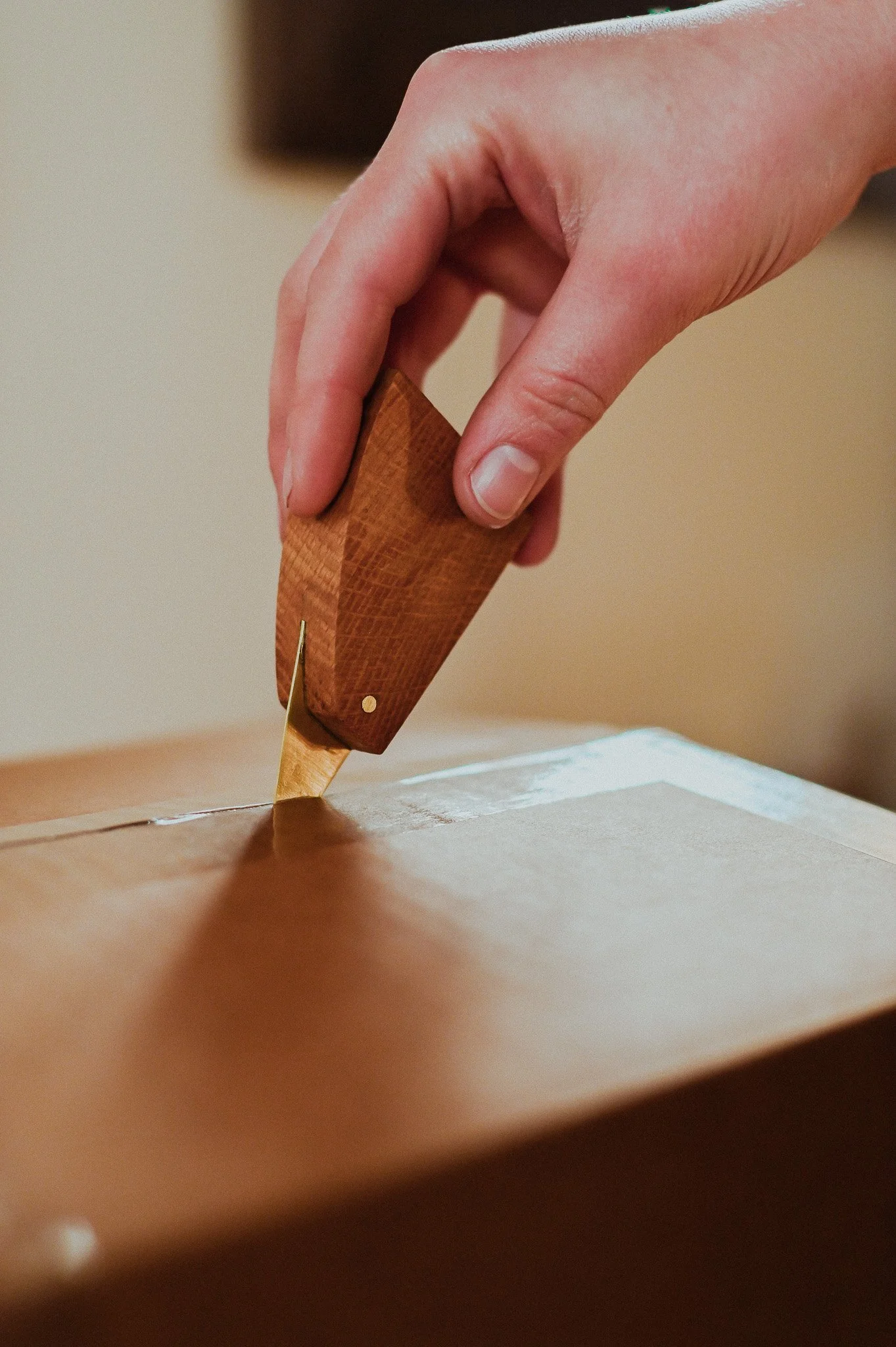
$82, 3 1/4” from tip of blade to base x 1 3/4” wide at the longest point x 1/2” thick
A tool best for slab cutting or box/letter opening. A palm held knife meant to cut quickly through a variety of materials. The largest of the bird knives.
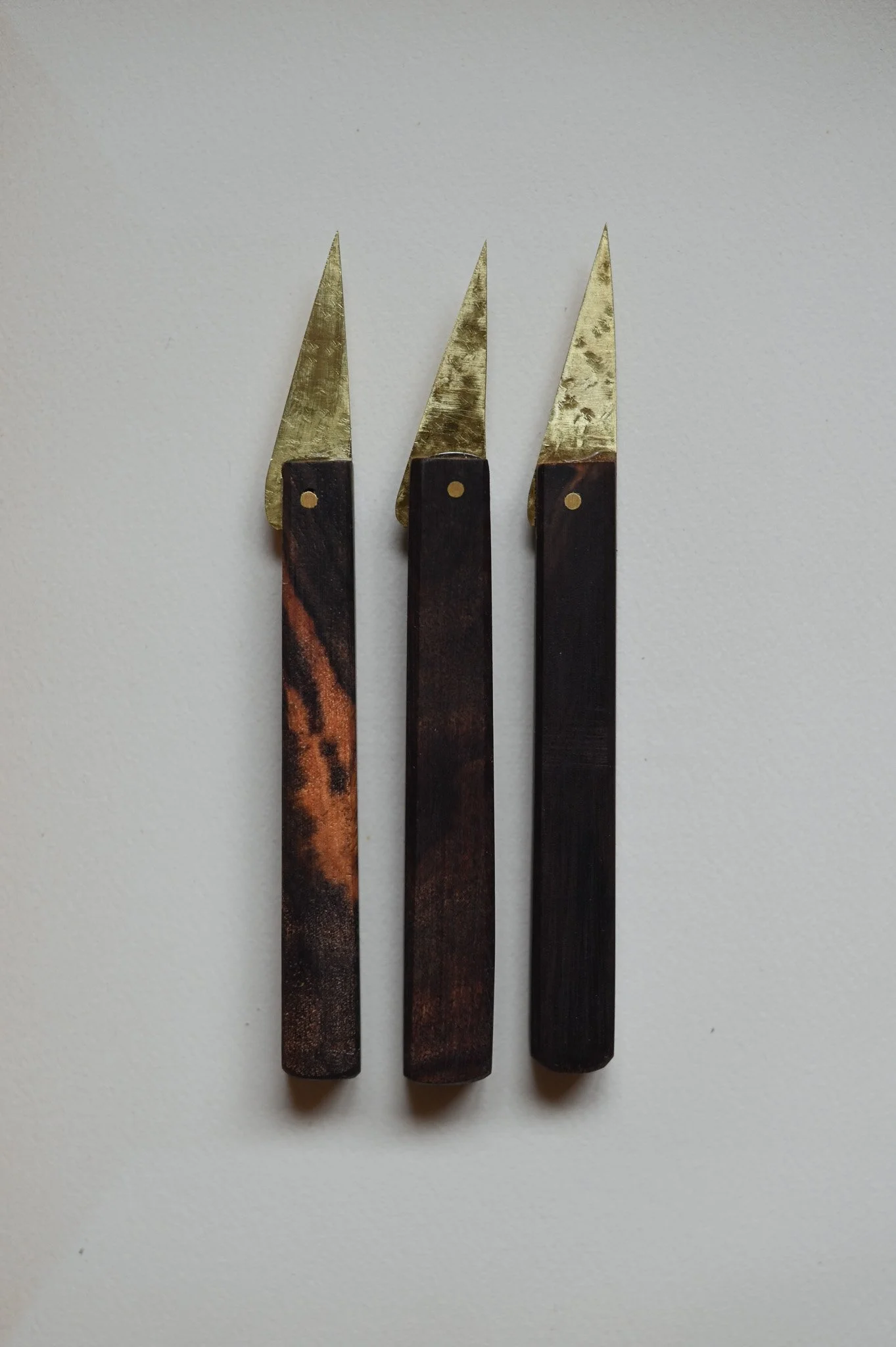
$86, 7” long from tip to end x 1/2” wide
For general slab work or wobbly rim cutting. This is a sturdier knife for controlled cutting of thicker clay.
Use to cut chunks of clay off the block or remove pots from the wheel.
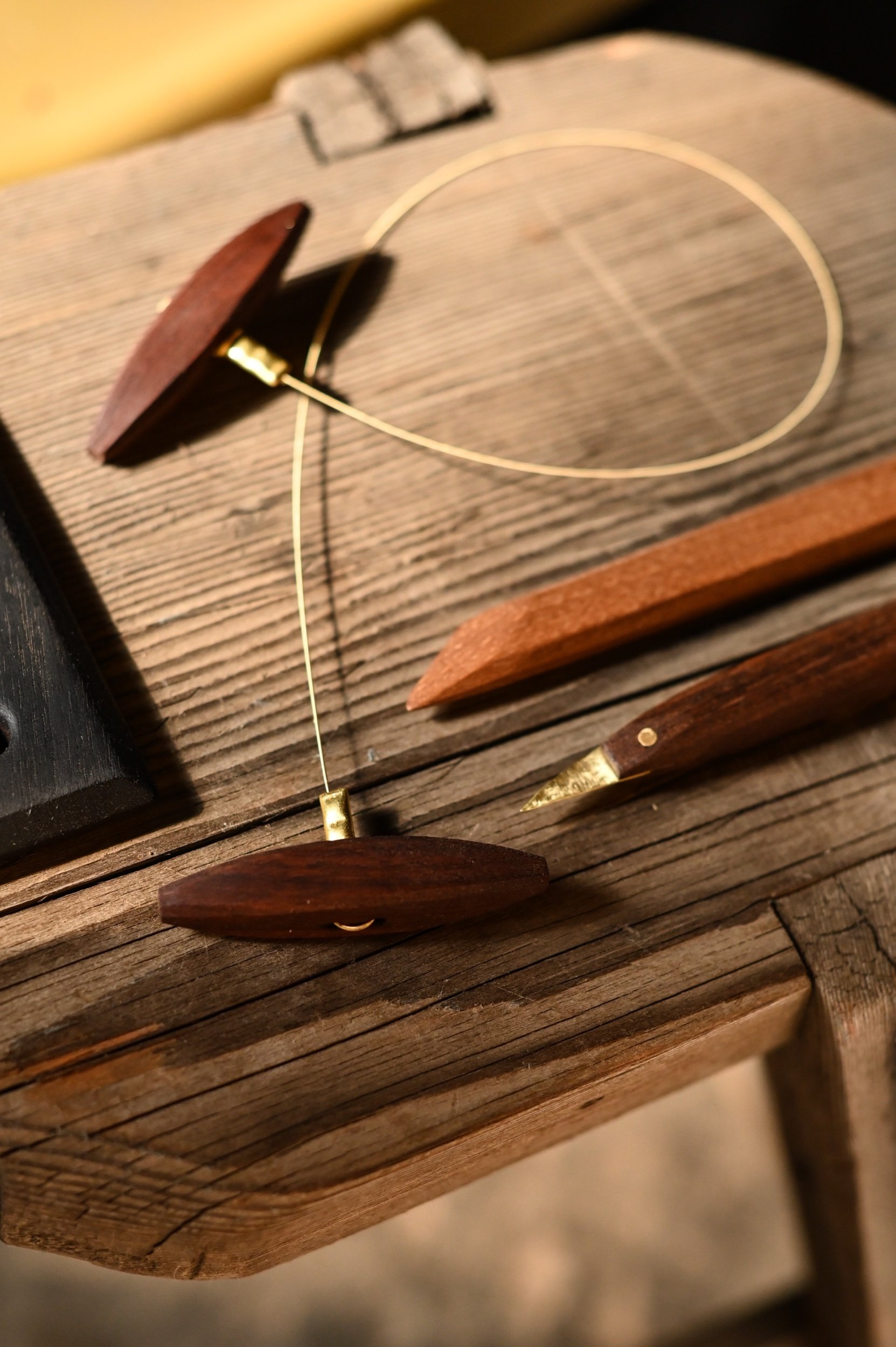
$35, Handle: 2 3/4” long Complete length: approximately 18”
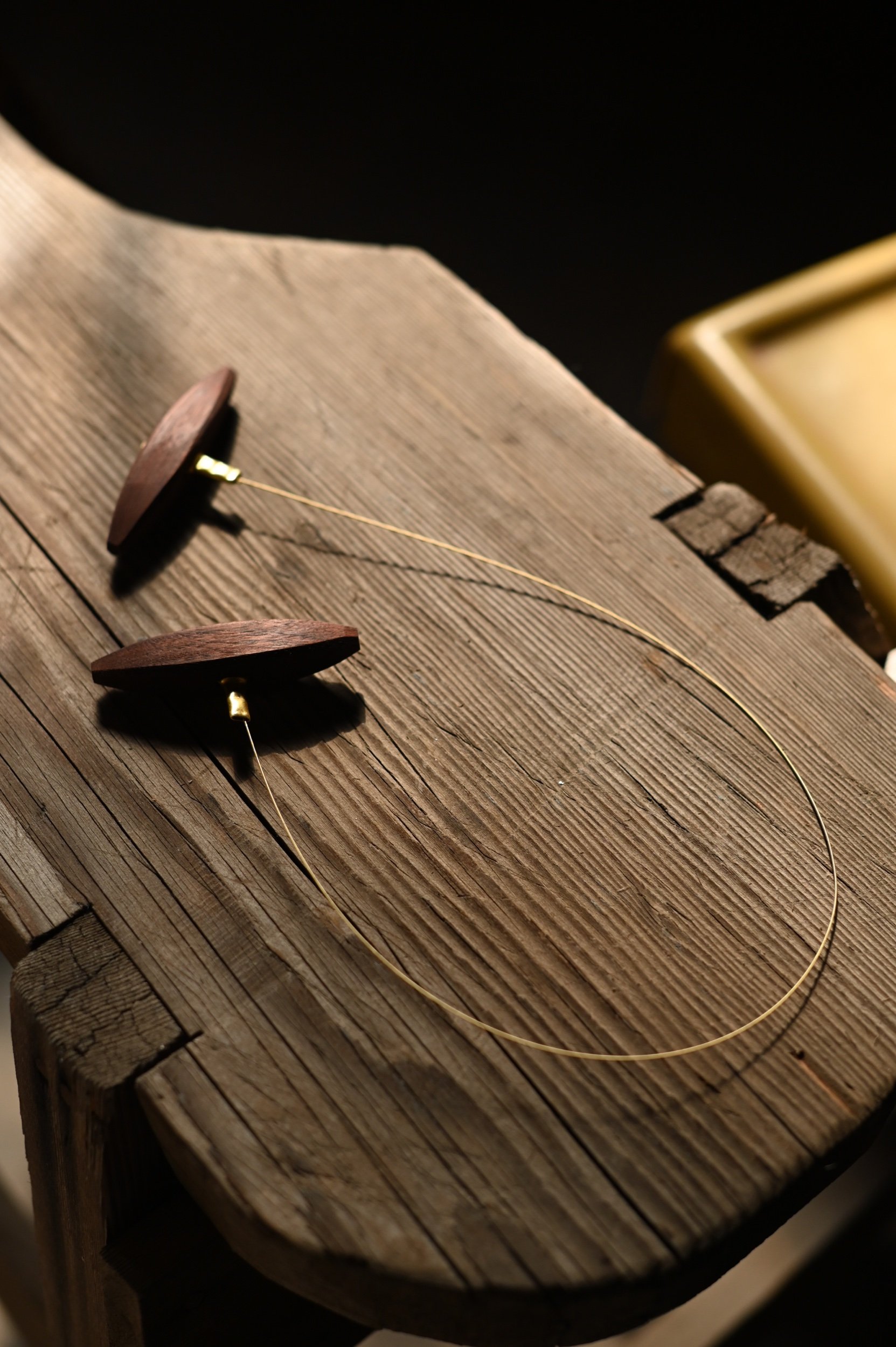
The bench scraper is purpose built for scraping and sweeping off your work surface. Perfect for removing clay, wood shavings, flour, or sandwich crumbs. Helpful when portioning clay or dough.
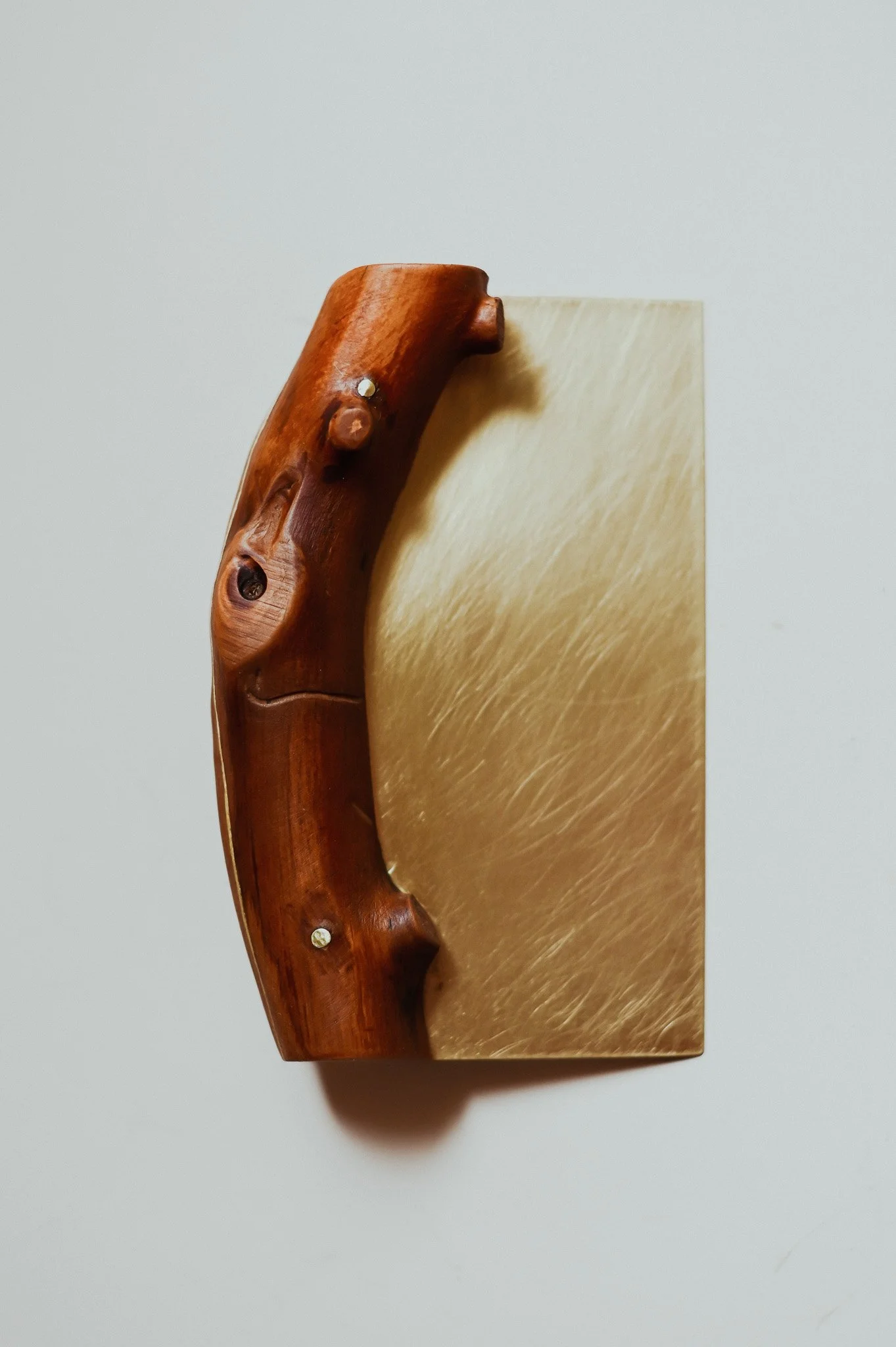
A one of a kind tool. Every scraper is made from an individual branch, which varies in shape and features. You will receive an entirely unique tool, no two are alike.
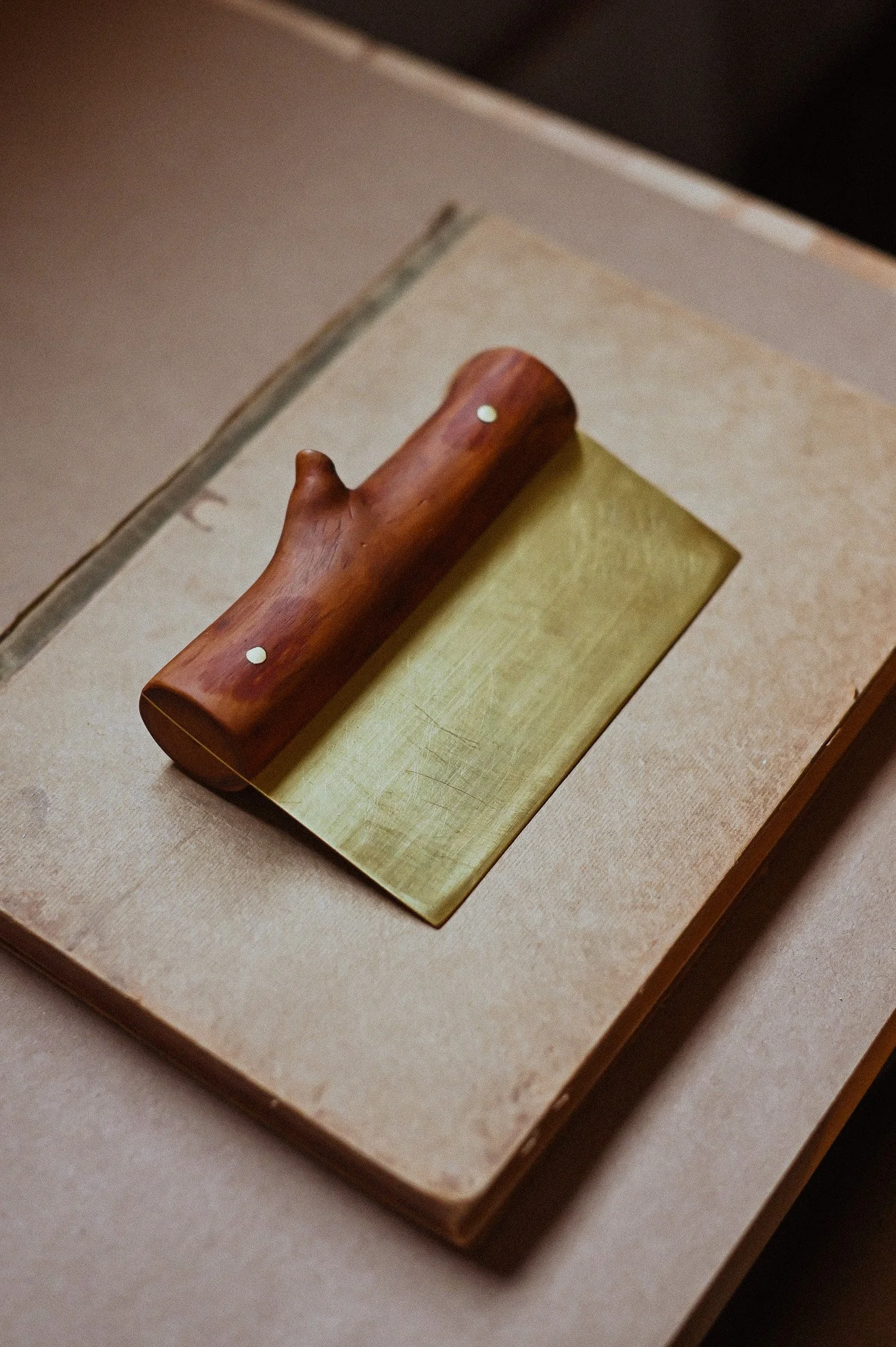
$200, Blade: 6” long x 4” wide—measurements are approximate
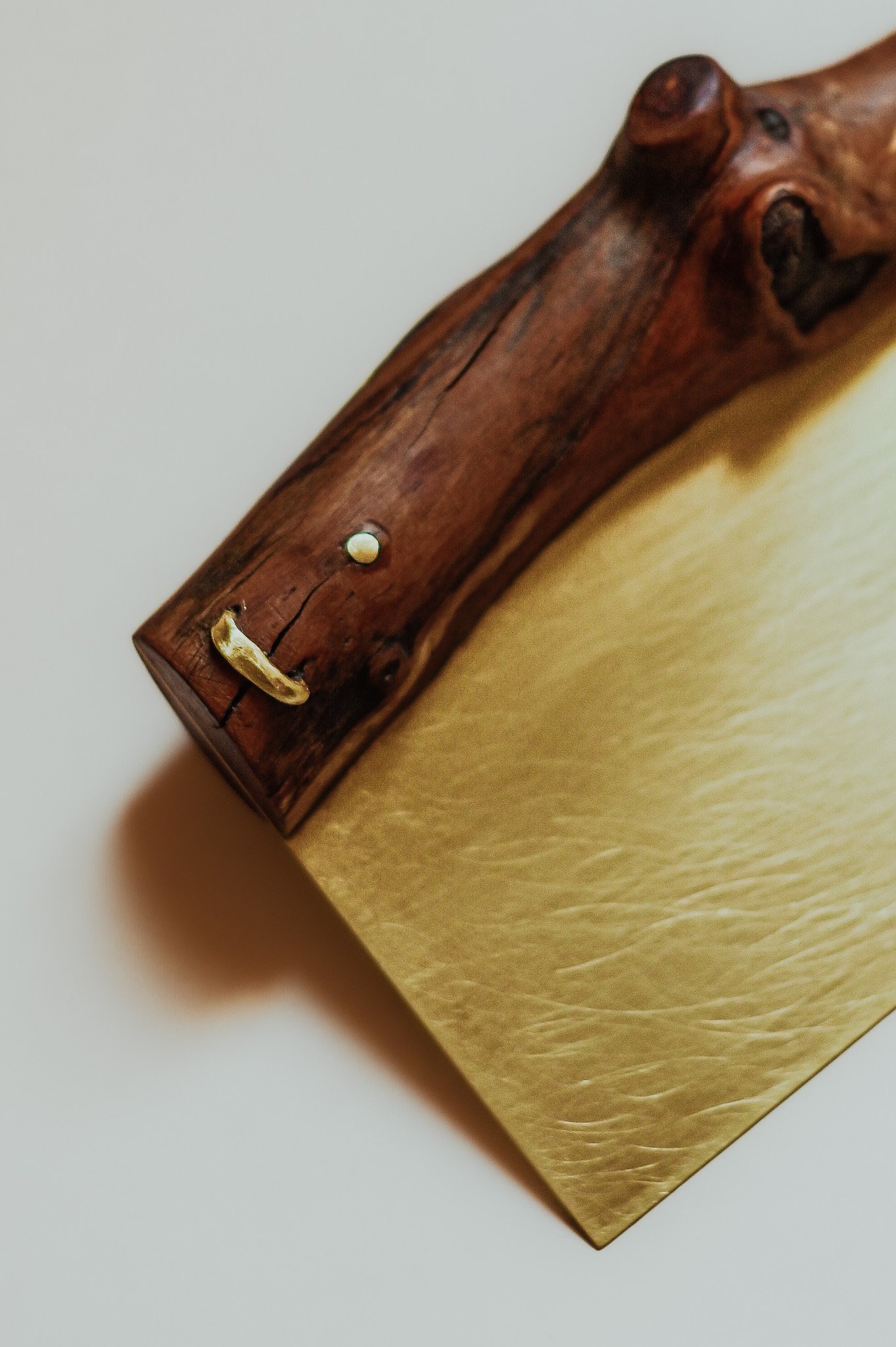
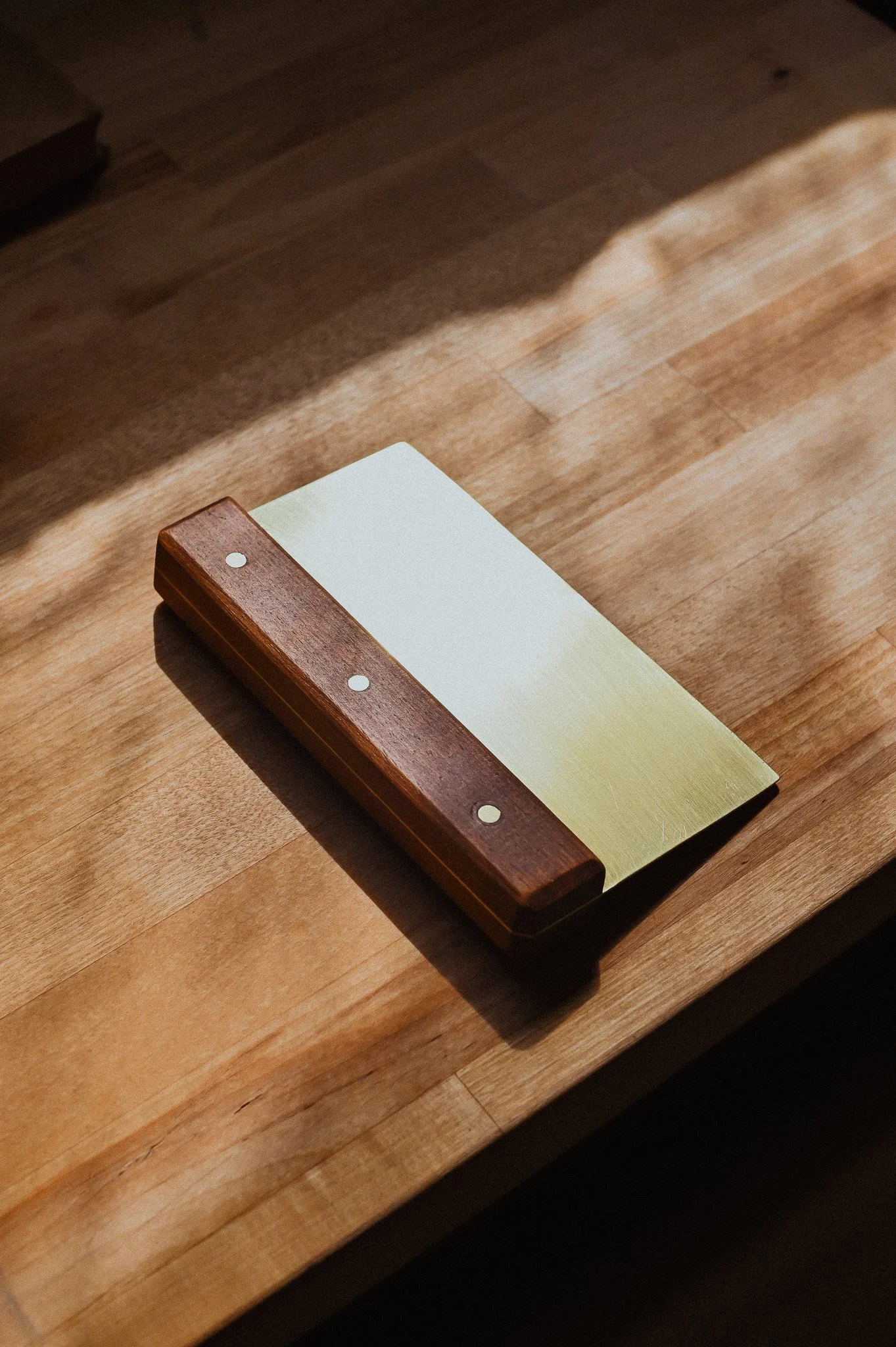
$110, 6” long x 4” wide with 3/4” wooden handle
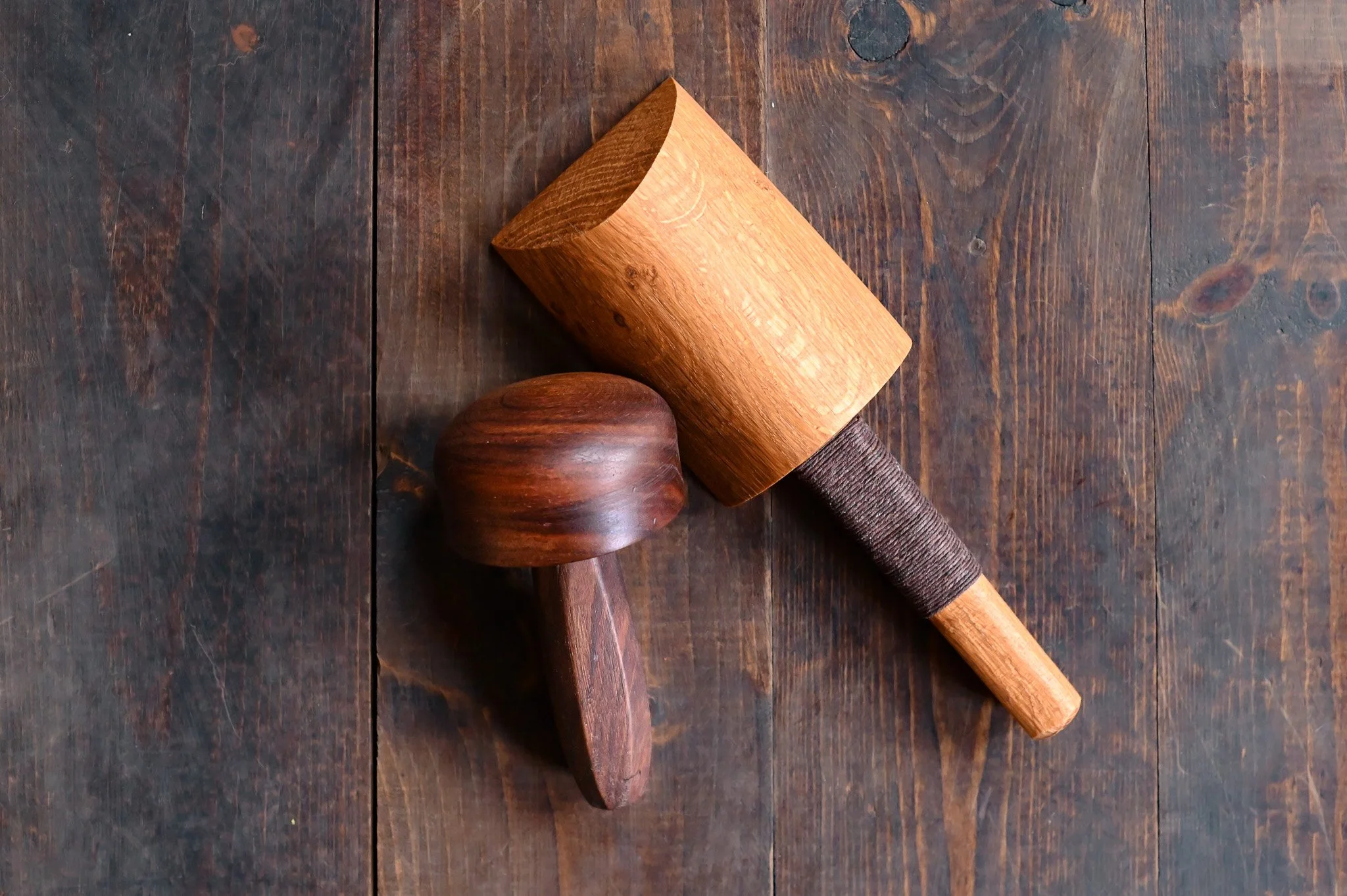
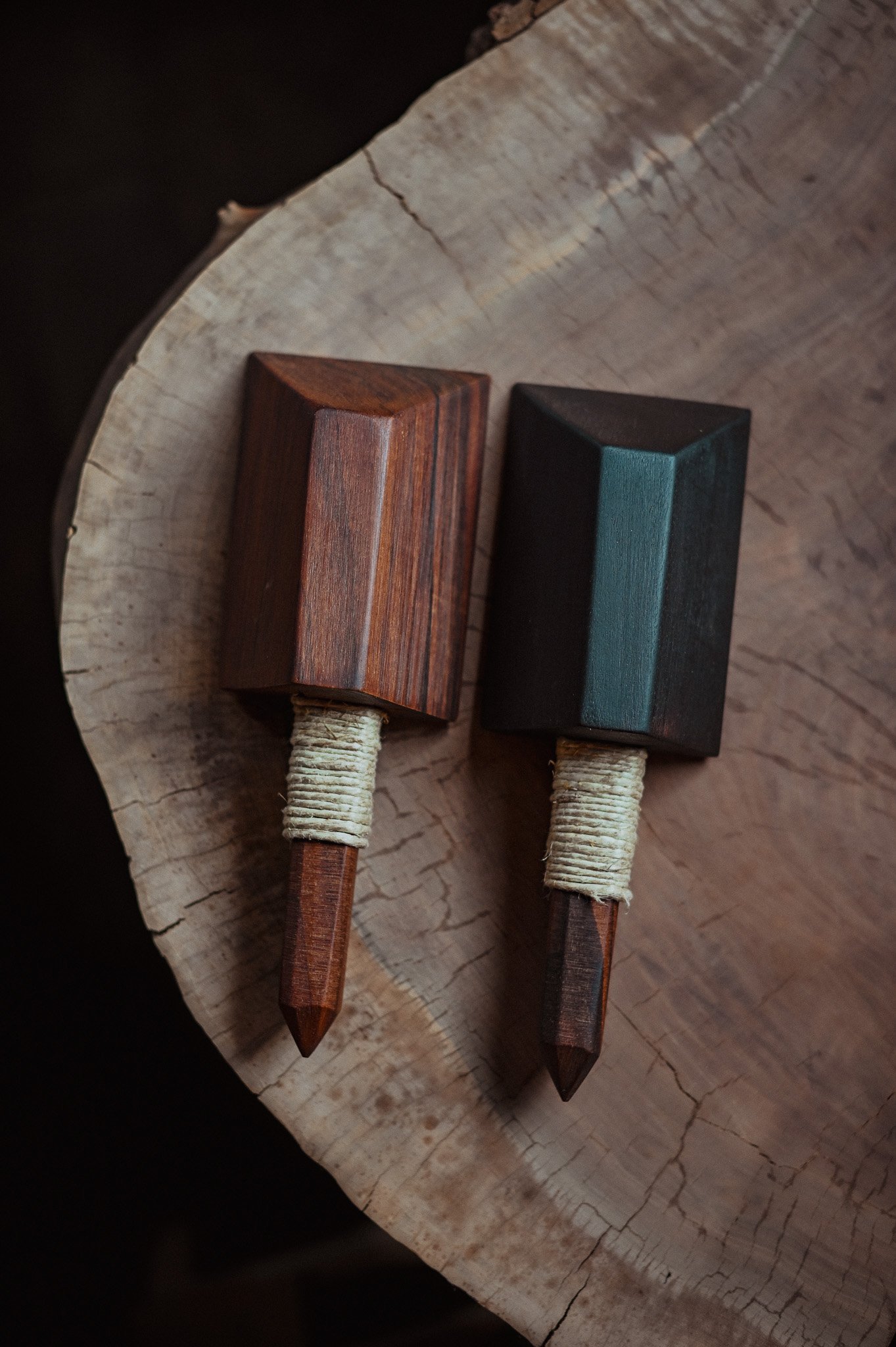
The purpose of a wooden mallet is to prevent dings or scuffing on the surface of your hammered object. Meant for woodworking, light metal work, clay shaping, cracking walnuts, or whatever you see fit.
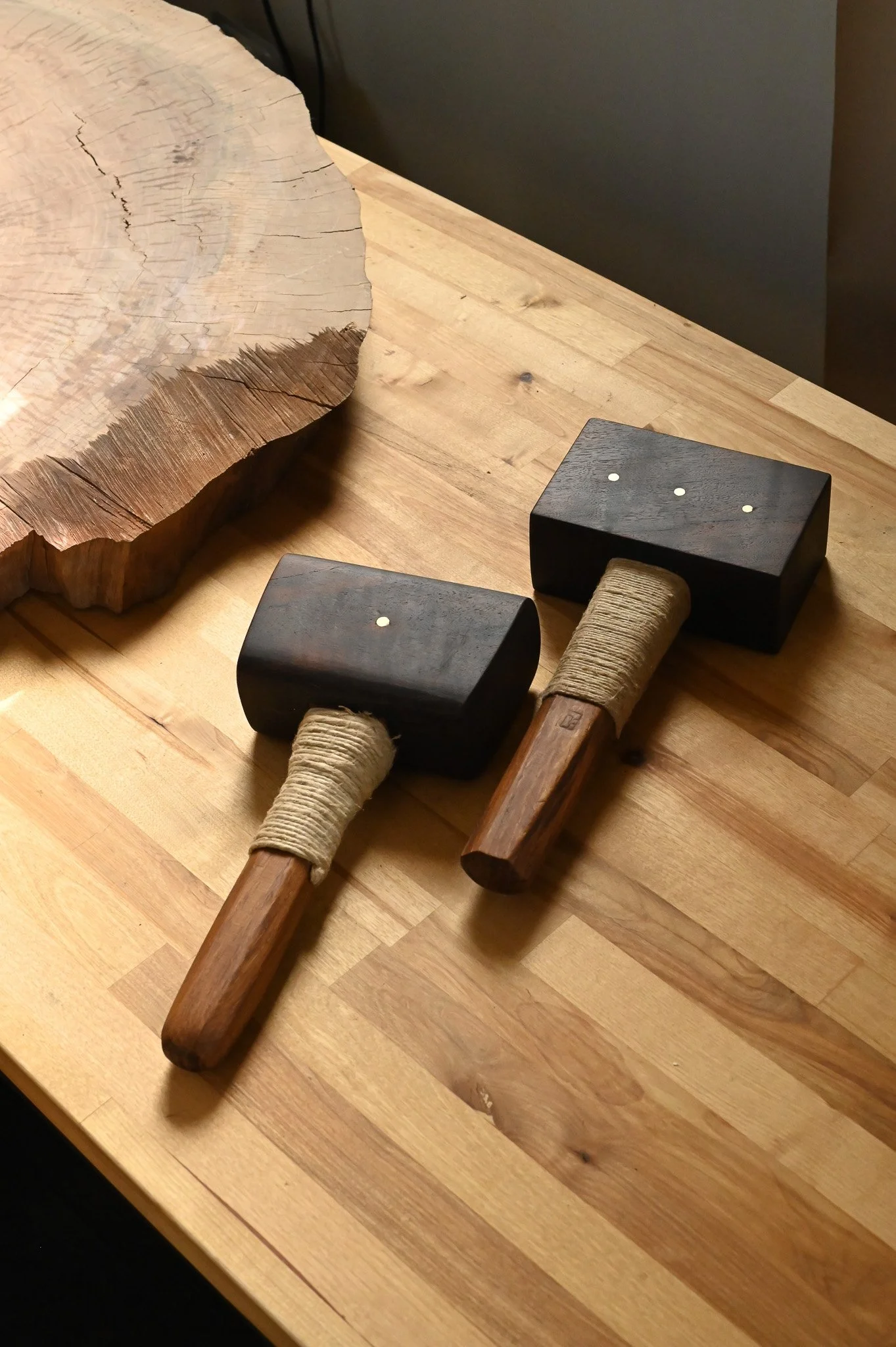
Tapered, Square
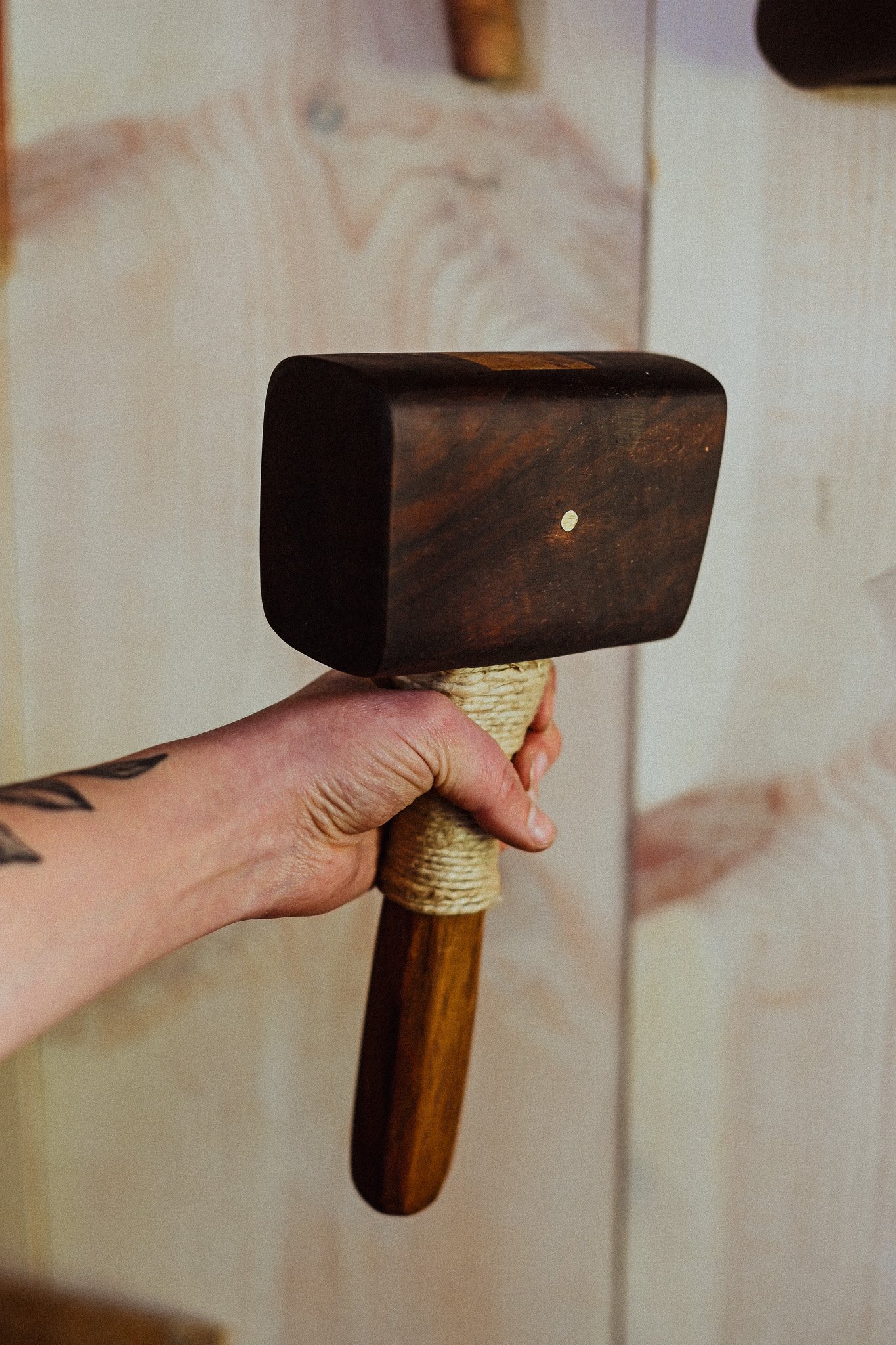
$345, Full length: 11 1/4” , Tapered Head: 5 1/2” at top - 5” at bottom x 2 1/2” x 3 1/2”, Tapered Handle: 7 7/8” long x 1 1/2” at widest point
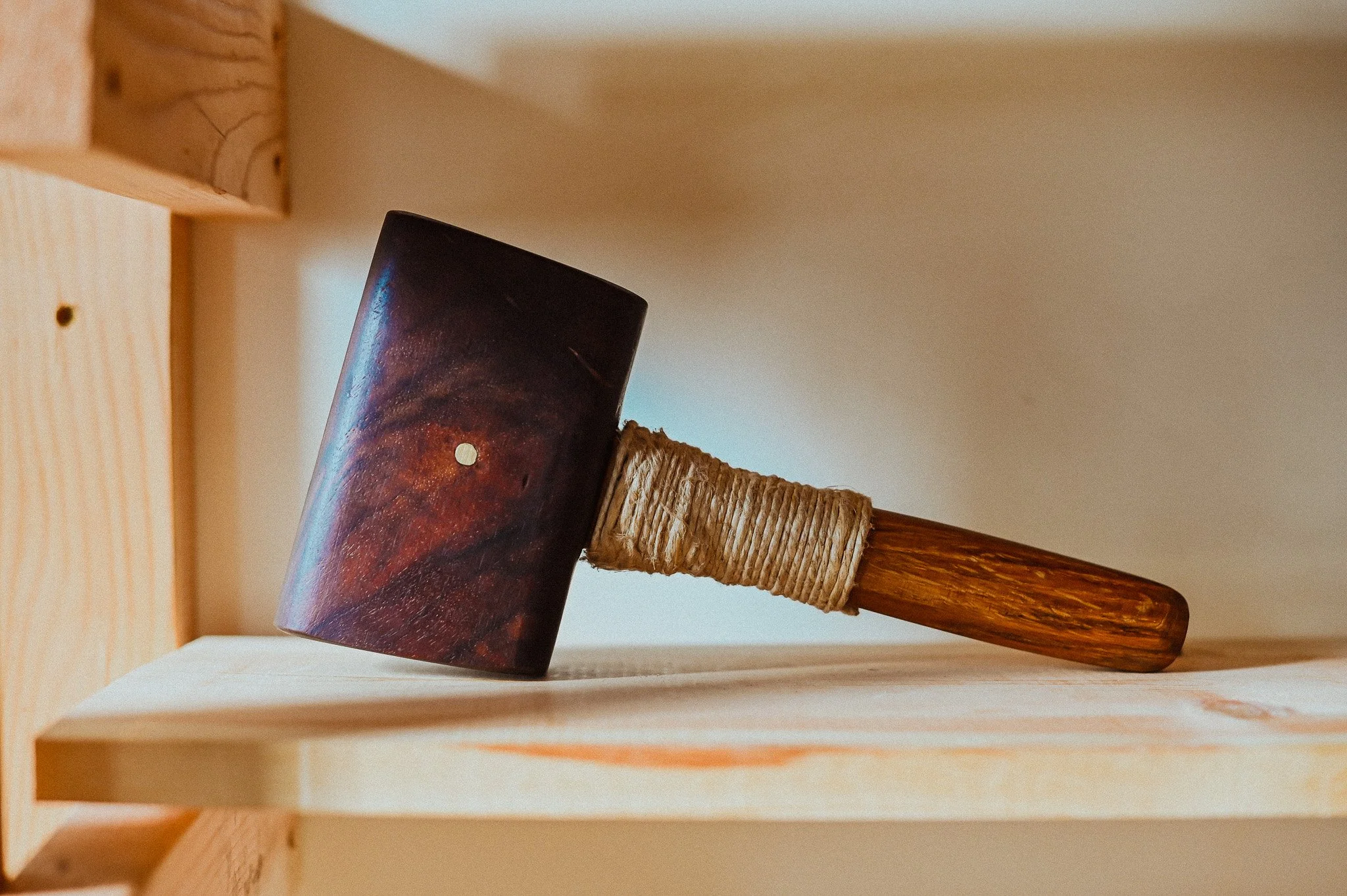
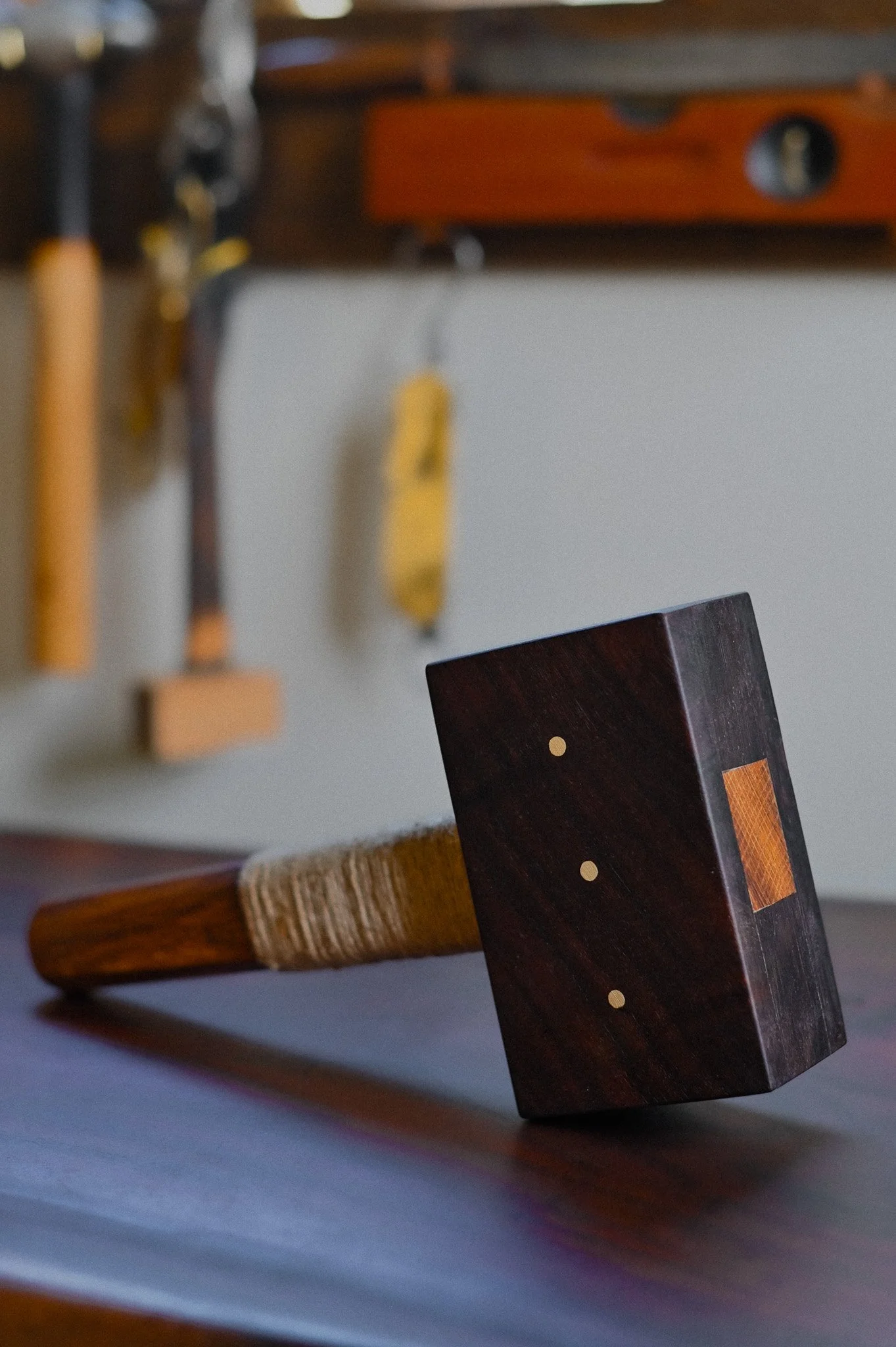
$300, Full length: 13 1/2” , Head: 5 1/2” x 2 1/4” x 3 3/8”
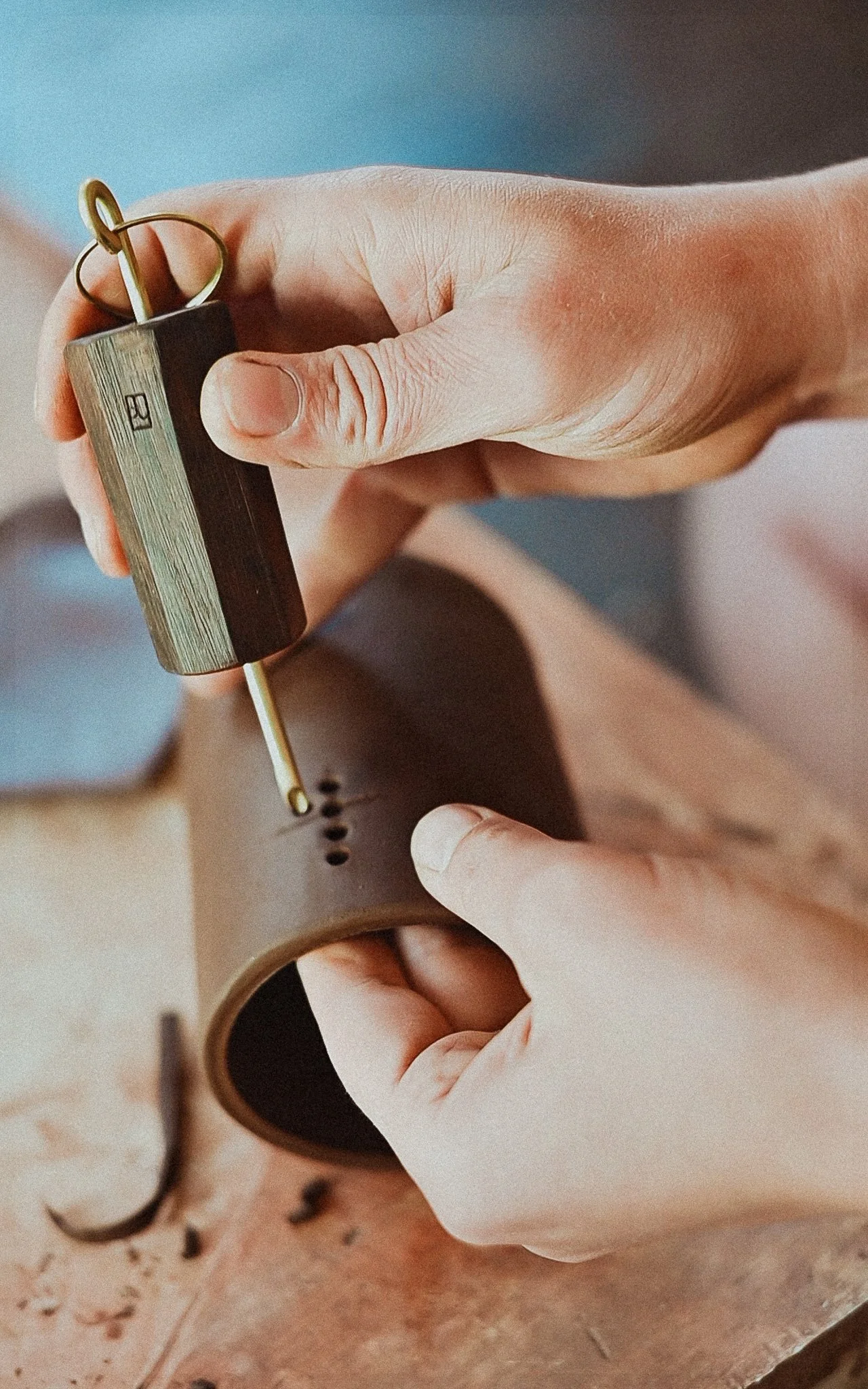
$88, Handle: ~1 1/4” in diameter x 2 3/4” in length, Hole Punch: 1 1/4” long, Plunger: ~4 1/2” long
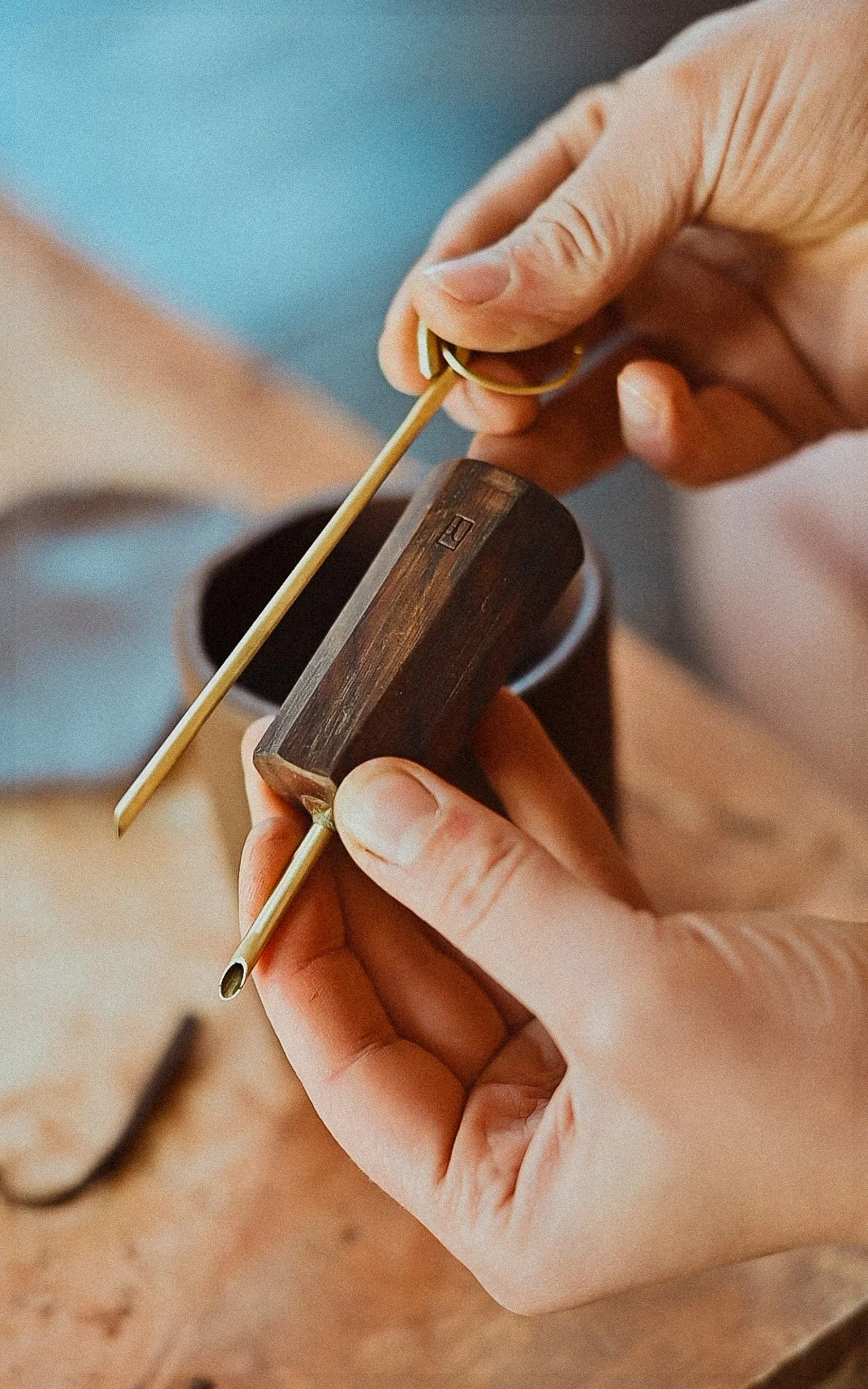
Showing interior plunger + hole punch.
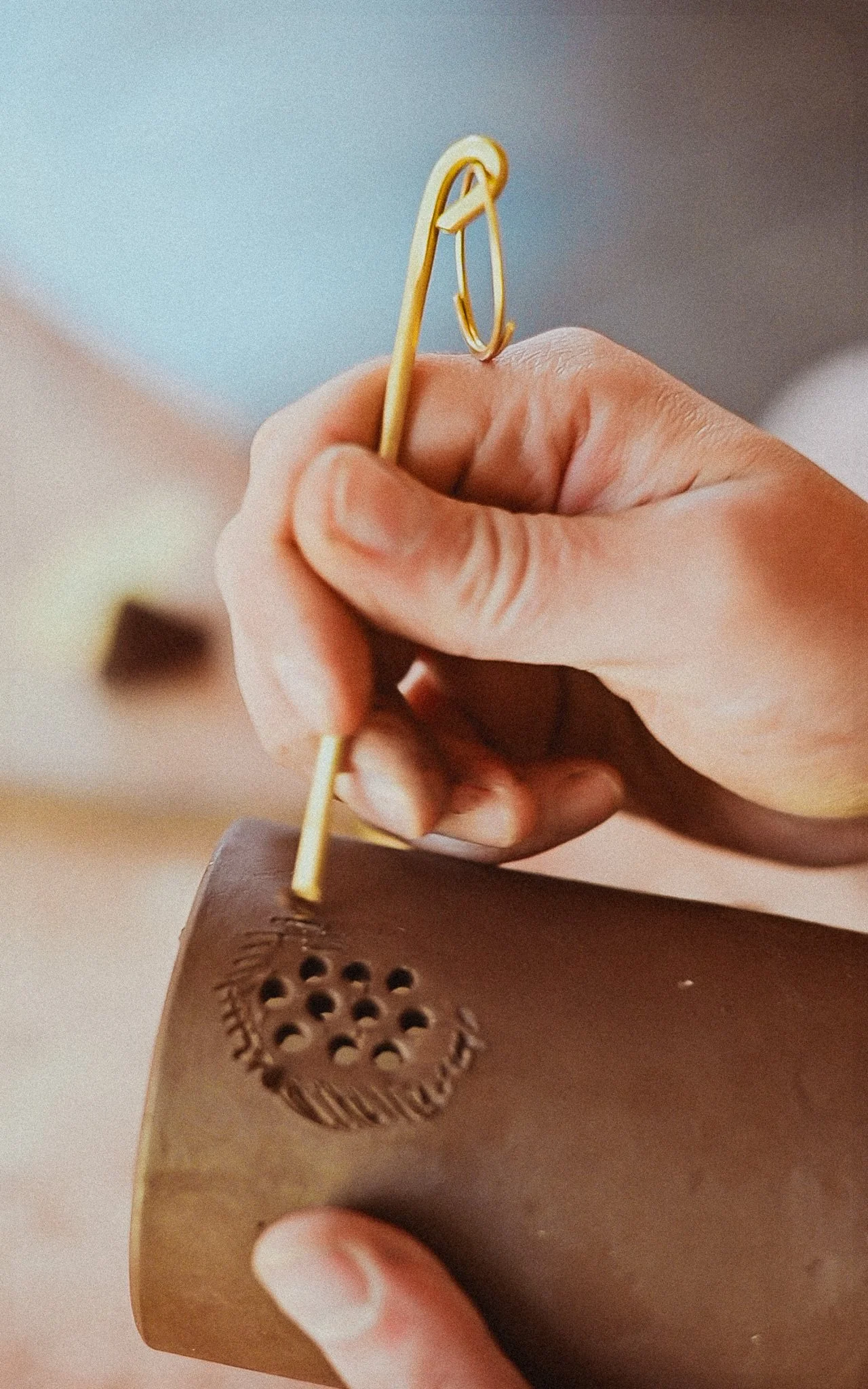
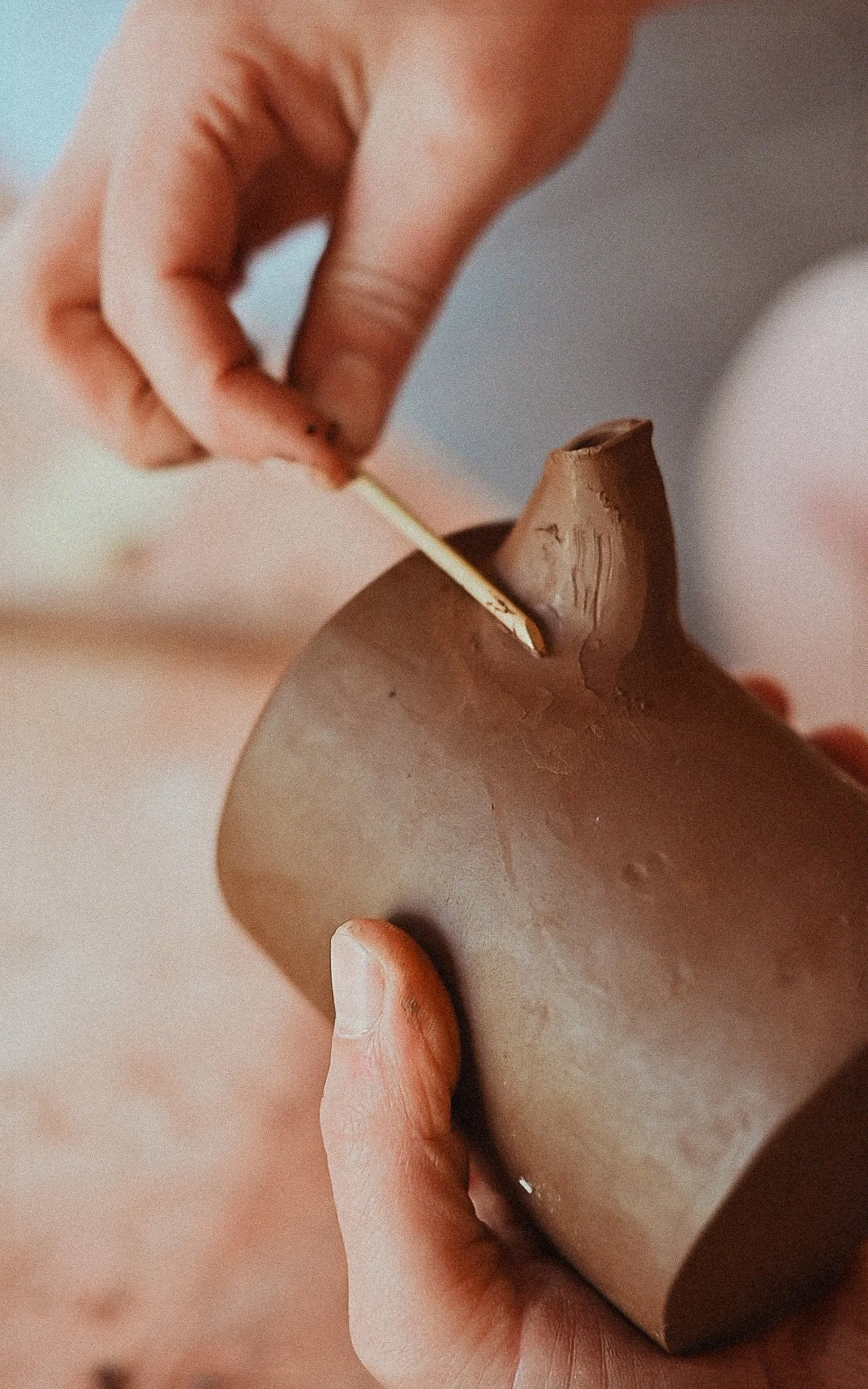
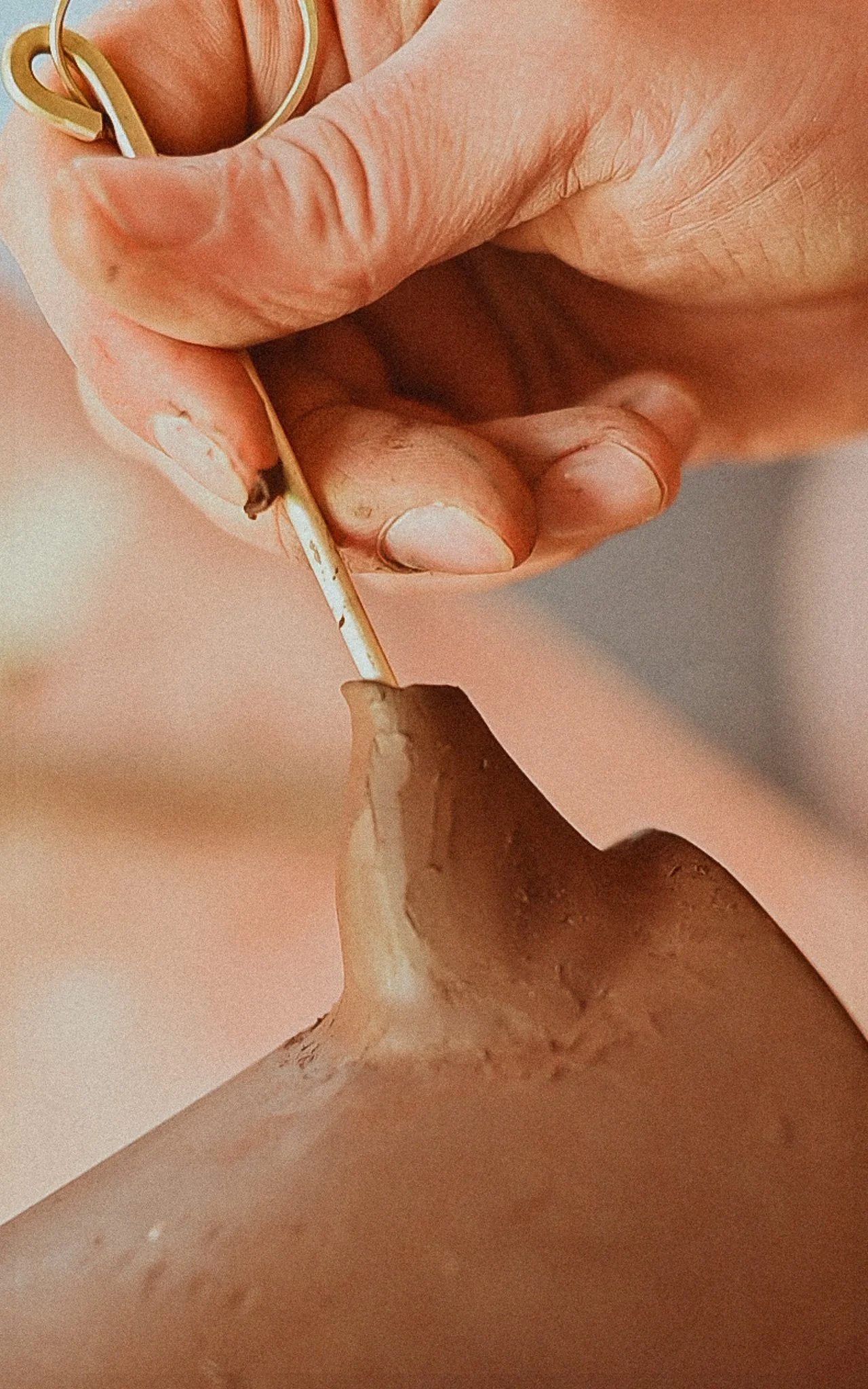
Crafted to help you create precise, refined work.
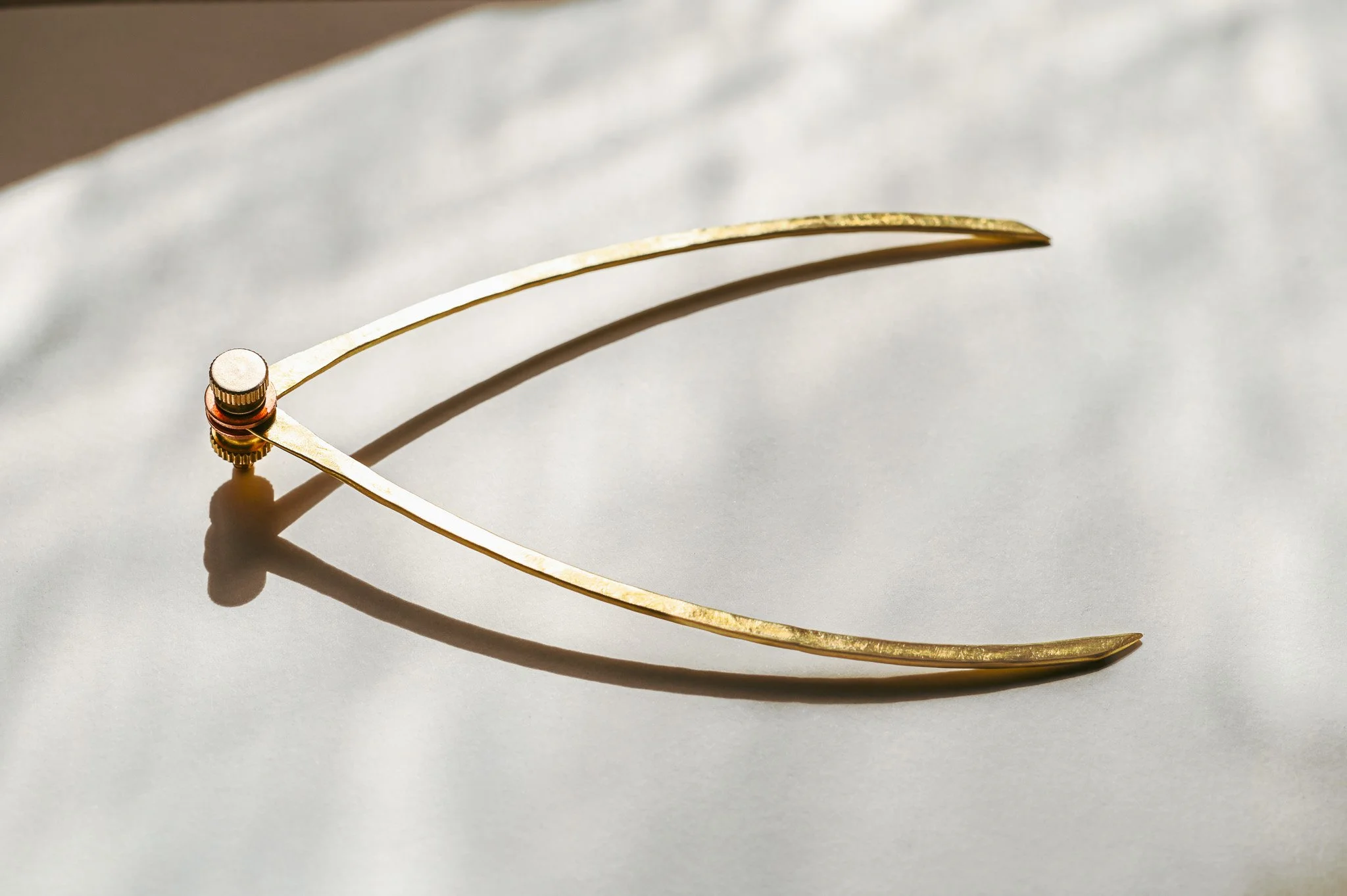
In pottery, calipers are used to measure the interior and exterior diameters of pots to fit with other parts of a set, like lids + cup bases. They serve as an essential tool for potters wanting to fine tune their work, through precise measurements.
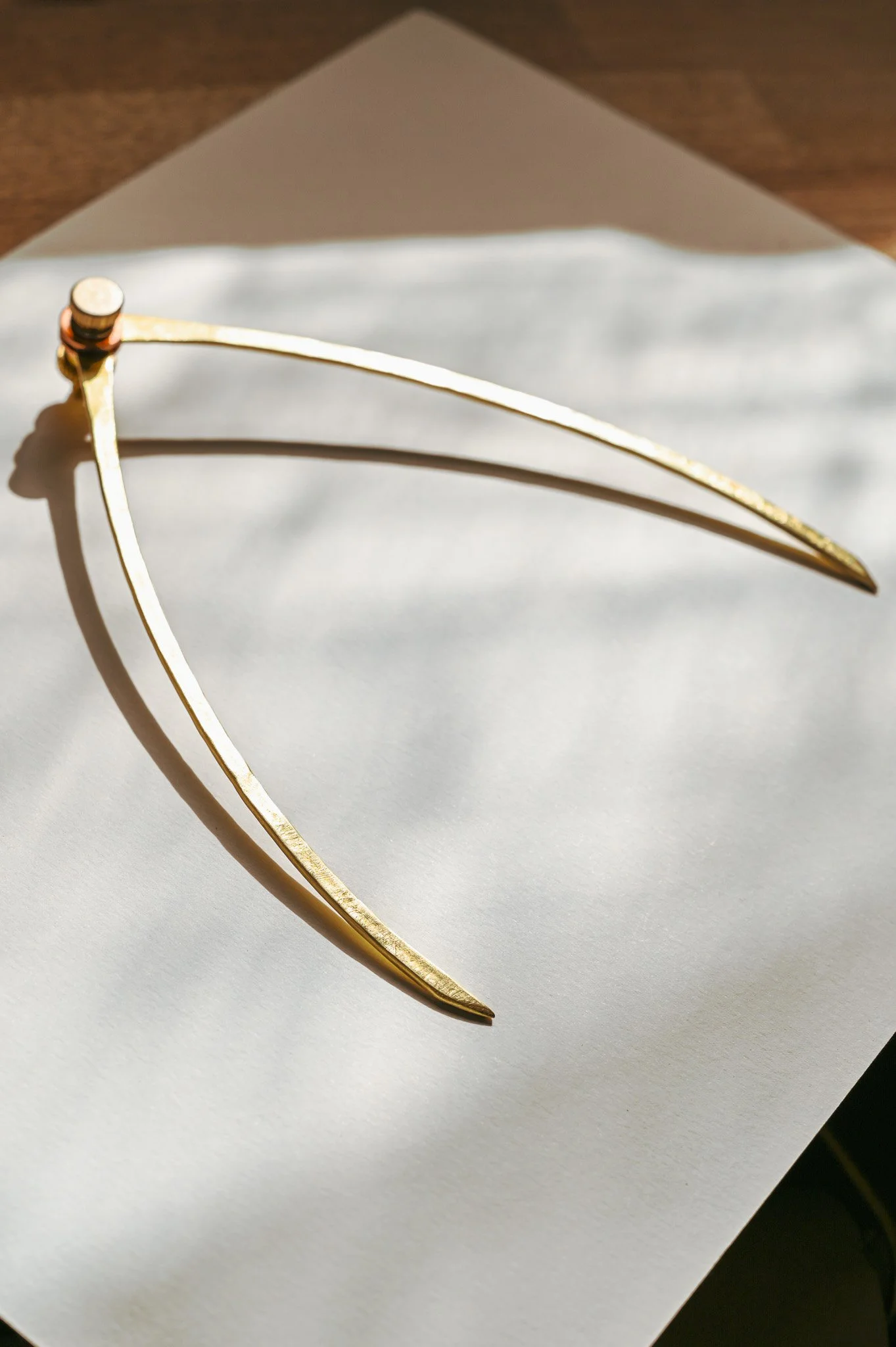
$150, Maximum range: 11 1/2”, 6” long from joint to tips
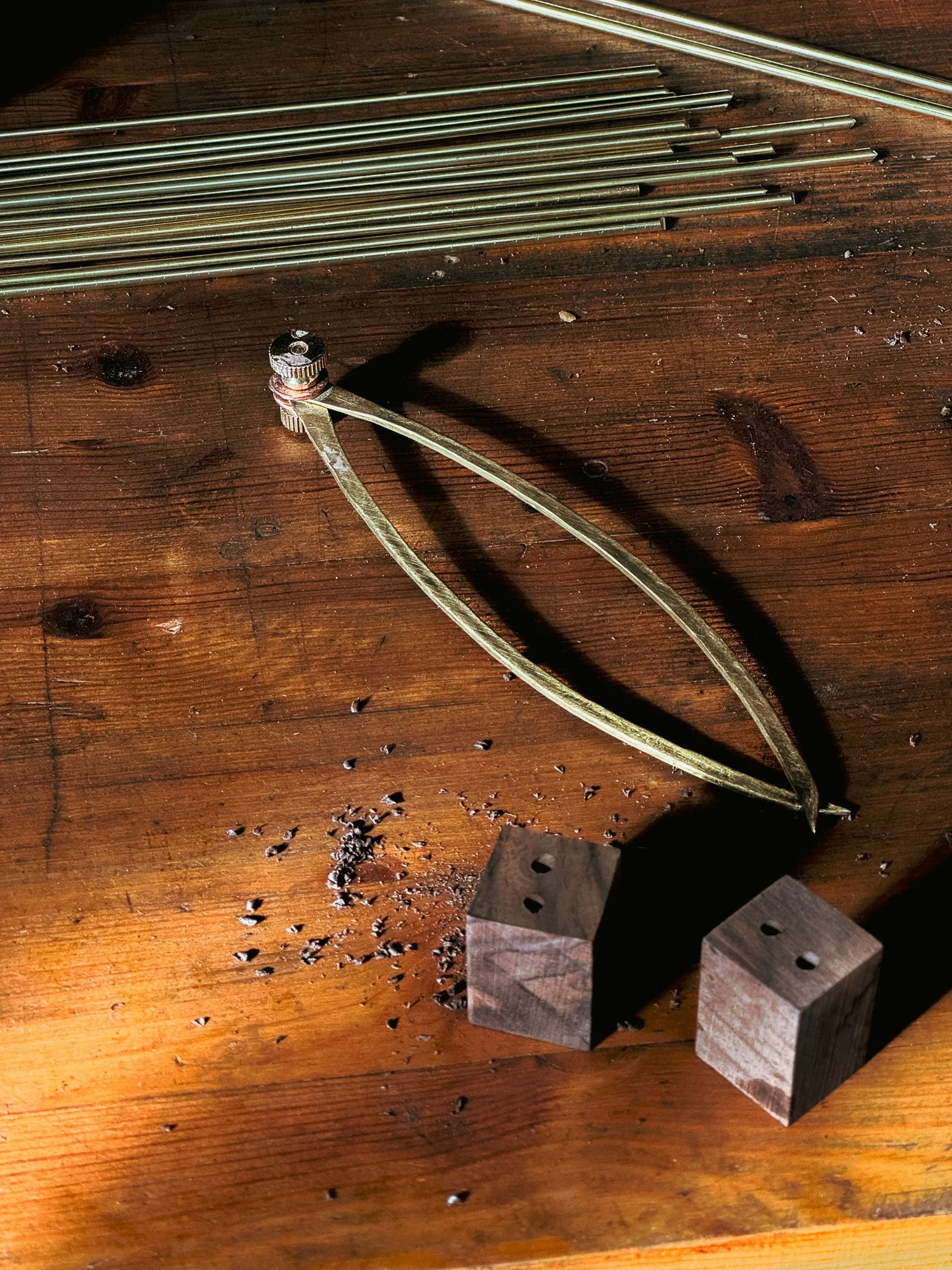
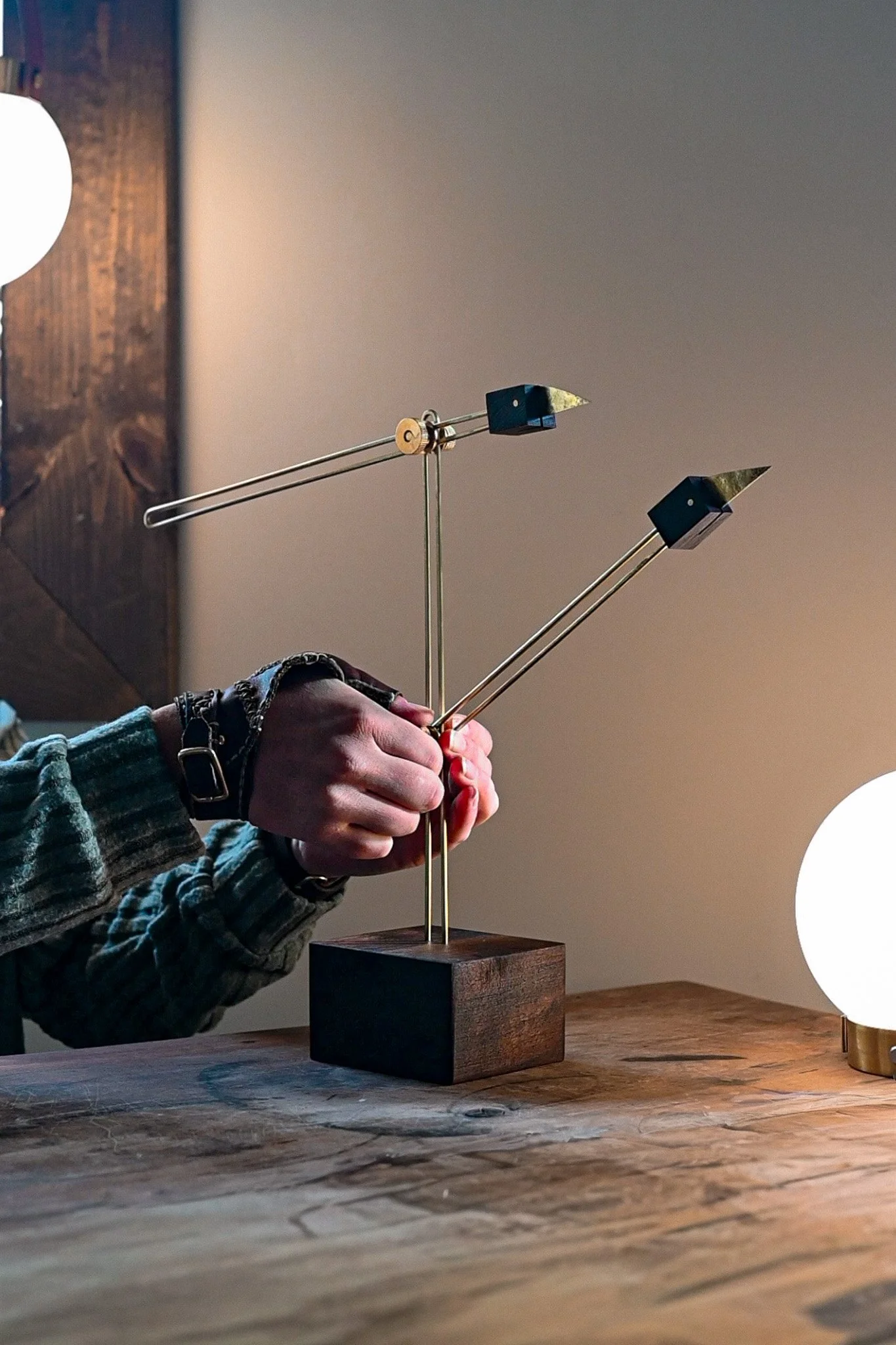
Artisan pottery throwing gauge for consistently and accurately recreating a vessels size and shape. An essential tool for potters wanting to fine tune their work, this two- armed gauge allows for precise measurements throughout the throwing process.
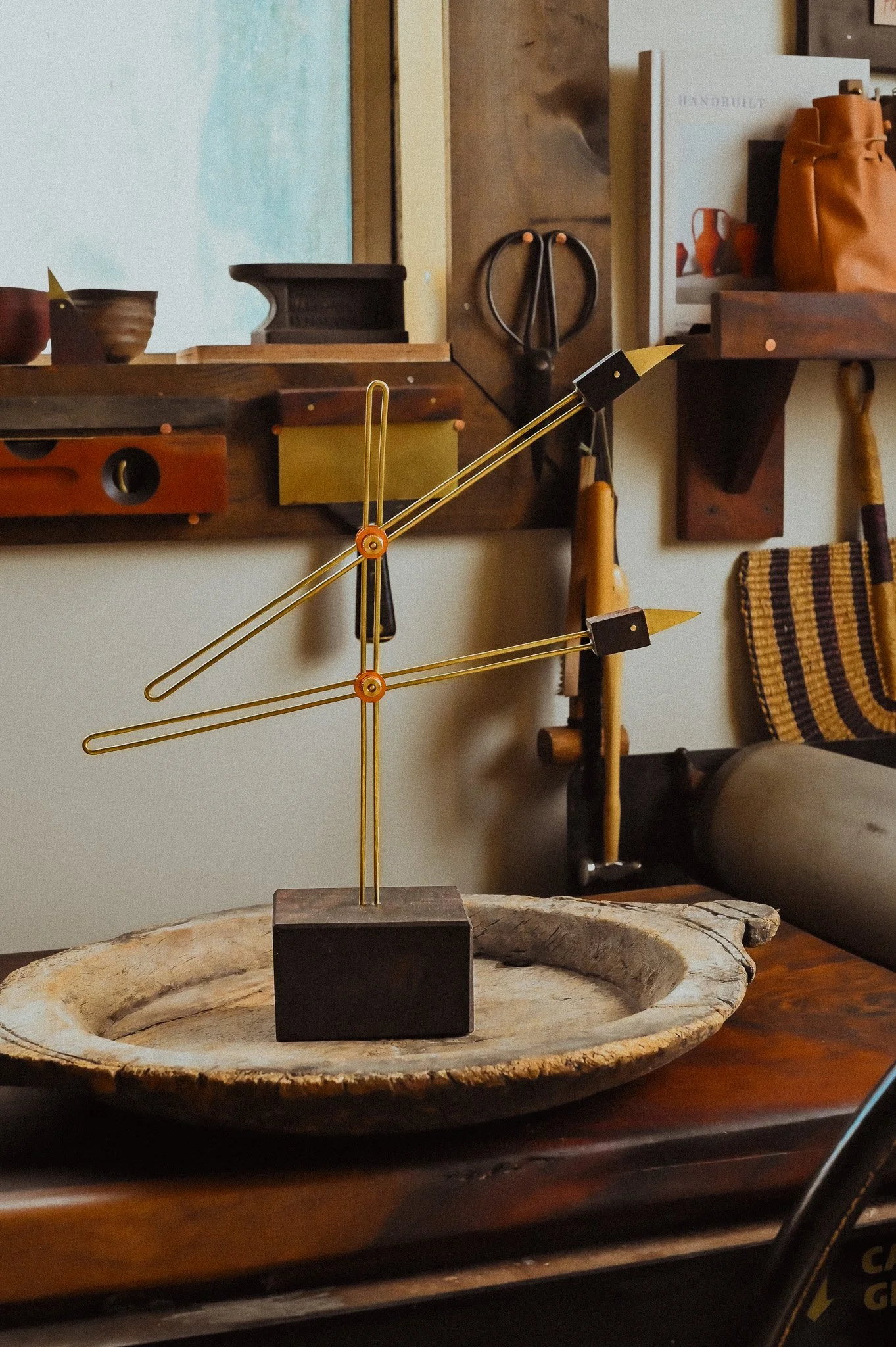
$325, Horizontal arm length: approximately 13” (to wood edge of pointer), Vertical arm height: approximately 12”, Base: approximately 3 1/2” x 4 1/4” wide x 2 1/2” tall, Pointer length: 1 1/2”
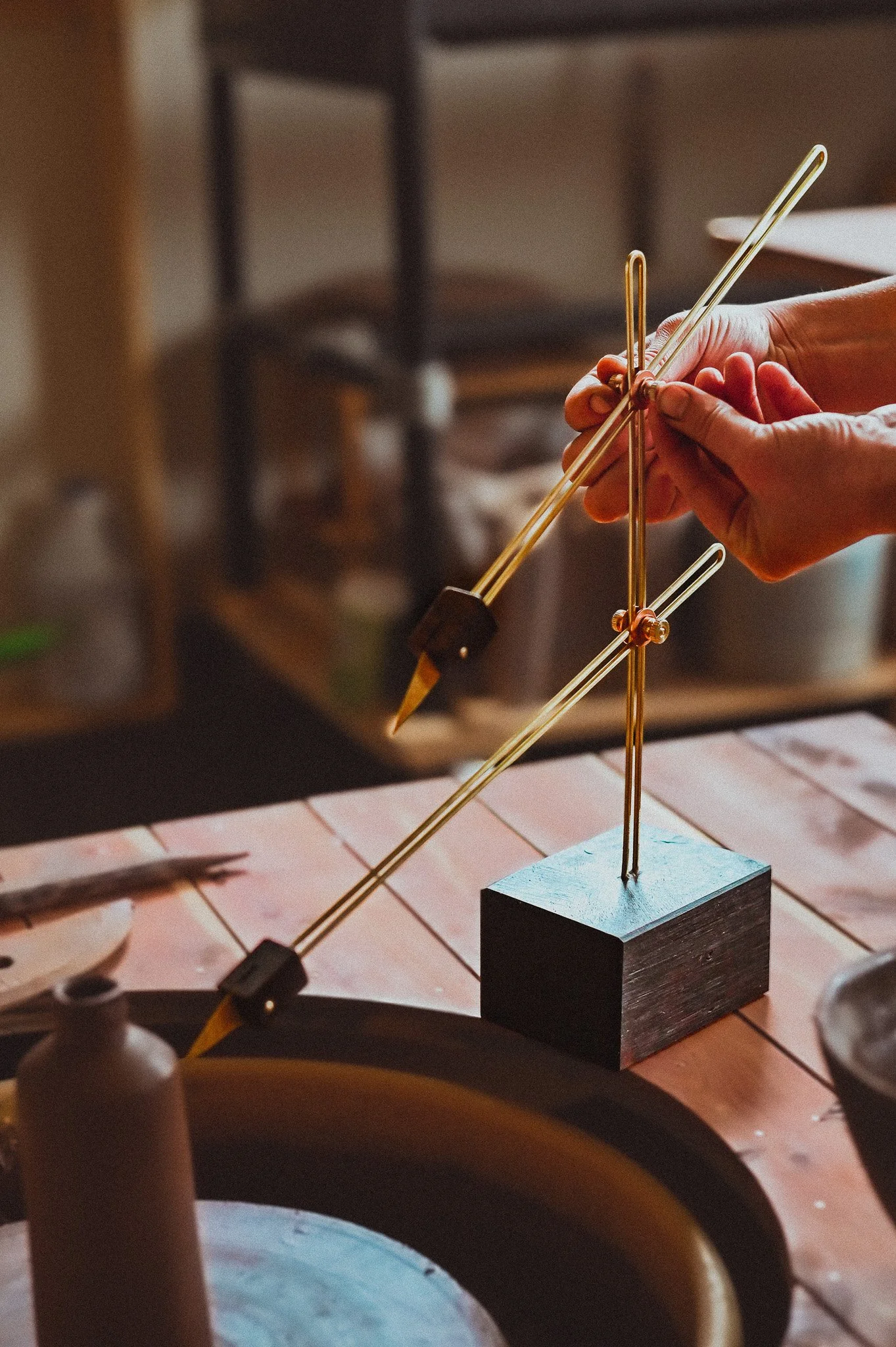
Quickly adjustable and maintains positioning with simple hand tightening.
The heavy wooden base holds sturdy and does not need to be clamped into place. (But can be clamped for added stability, if desired.)
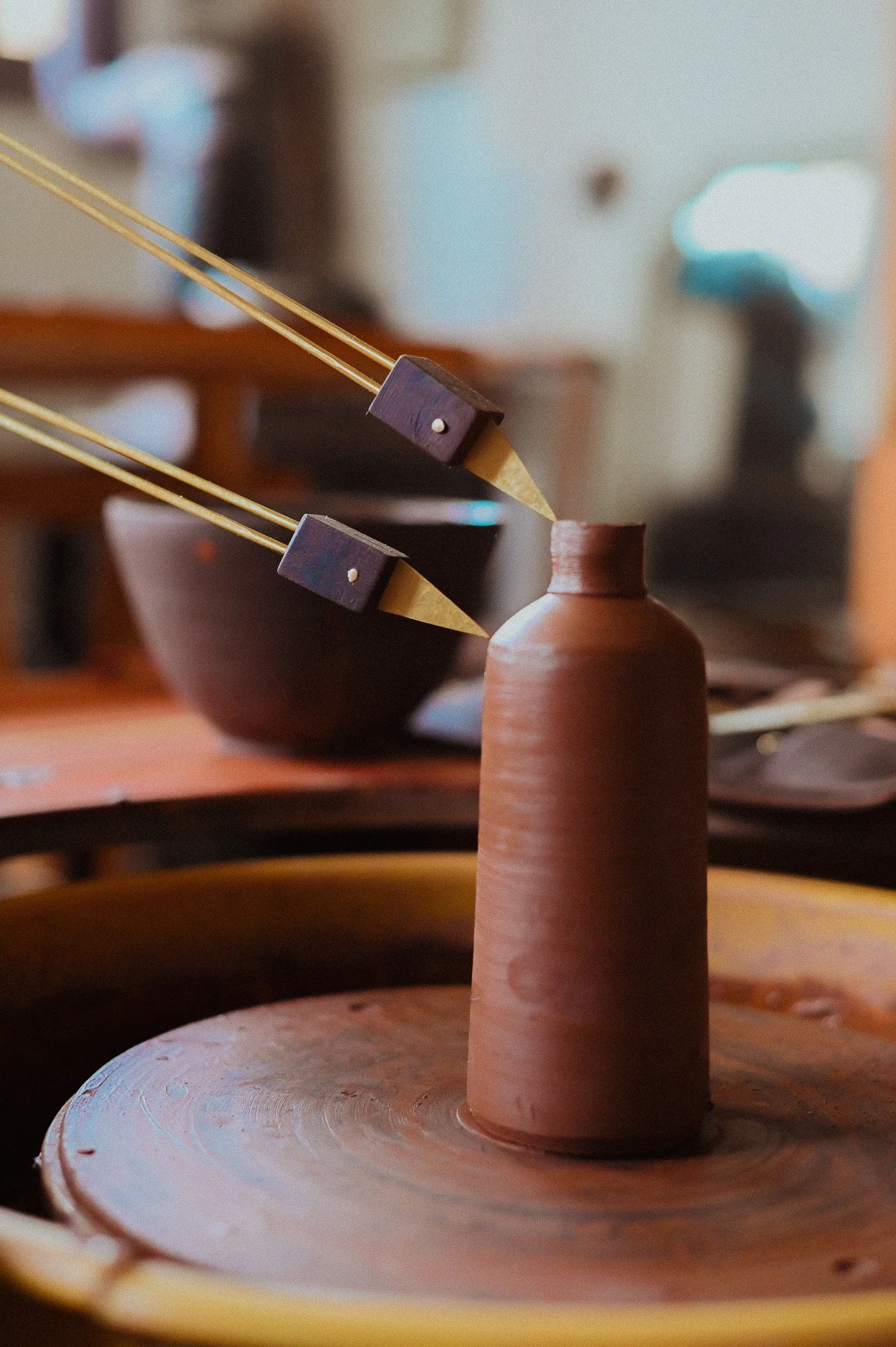
Each arm has a rigid brass pointer, that flips up and out of the way for easy removal of finished pots.
Caring for your H+F tools:
Restoring Luster: It’s natural for wooden wares to become a bit rough after use, in order to re-hydrate your wood utensil, lightly sand the object with a 120 (or finer) grit sandpaper and use a food safe oil to rub on the surface. Allow the oil to fully saturate the wood, and let sit for an hour before buffing away with a cloth. We recommend walnut oil or bees wax board butter, which can be found at your local hardware store or supermarket. This step can be taken once every three months, as needed.
Occasionally this can happen as the wood expands and contracts when exposed to water and use. You can avoid this altogether by allowing your tools to completely dry after use and then regularly reapplying a small amount of either oil or wax to the wooden portions of the tool. Periodically, you can lightly smooth the surface of the wood using a very fine sandpaper before oiling. The more you do this, the more sealed the tool will become.
To secure it back into place, here’s some steps:
If you’ve used it recently, first let the wood and brass dry out entirely. Set it in the sun, if possible. Using a rough sandpaper, scuff up the bottom 1/4” of the brass that will be inserted into the wood and the area of wood with the holes. Then using a glue, such as super glue, gorilla glue, or epoxy, put a decent amount in each of the holes—just enough to come out the top a little when you insert the brass. Once in place (making sure to press it on tightly so it’s secure), let it sit for a day before using it again. Lastly, periodically rubbing on a bit of oil or wax to the wooden parts will help to restore the luster of the wood and waterproof it. On her personal tools, Sage uses Howard Feed-N-Wax or walnut oil—one or the other are usually available in most grocery shops.
It’ll be good as new.